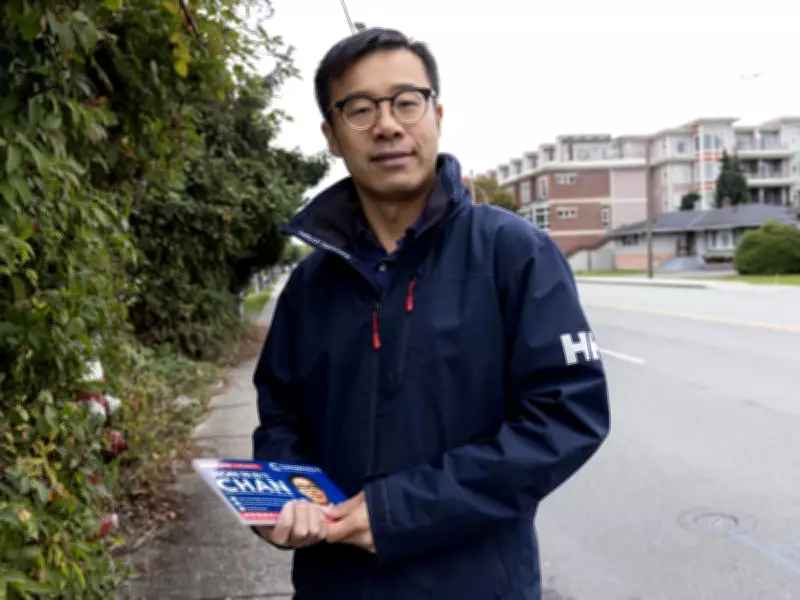
MLA's Capacity to Serve Under Scrutiny Amid Criminal Allegations
VICTORIA — Richmond MLA Hon Chan has demonstrated no intention to step down from his legislative position this week despite facing serious criminal charges including assault, assault by choking, and uttering threats in an alleged domestic violence incident.
"Chan was made aware of a claim relating to an allegation from approximately two and a half years ago," stated a Thursday announcement from his constituency office. The independent MLA, who previously ran for the B.C. Conservatives in Richmond Centre, disagrees with the allegations and anticipates defending himself in court while fully cooperating with police authorities.
Political Distance and Legal Presumptions
Opposition Leader Trevor Halford has created significant separation between his party and Chan, removing the rookie MLA from the B.C. Conservative caucus and leaving him to function as an independent representative. Halford emphasized that "Mr. Chan is entitled to the presumption of innocence and due process before the courts" while acknowledging that "those proceedings will run their course."

While Chan indeed maintains the legal right to presumption of innocence until proven guilty—with charges yet to be tested in court—critical questions emerge about effective political representation during such circumstances. Richmond Centre constituents deserve representation from an MLA who can provide undivided attention without the substantial distraction of fighting serious legal allegations that threaten his political career.
Special Prosecutor Involvement and Legal Standards
The charges emerged through special prosecutor Andi MacKay under British Columbia's landmark legislation governing prosecution of public figures. Like all prosecutors in the province, MacKay would have applied B.C.'s rigorous twofold test for proceeding with charges.
First, prosecutors must determine whether "a substantial likelihood of conviction" exists. Official guidelines clarify that "likelihood" requires conviction to be more probable than acquittal, while "substantial" refers to both probability and the objective strength of evidence. This evaluation involves assessing what material evidence will likely be admissible at trial, the reliability of that evidence, and whether viable defenses or legal impediments might prevent conviction.
Once evidence meets this initial threshold, prosecutors must then decide "whether the public interest requires a prosecution." In this particular case, the seriousness of the allegations likely played a significant role in the decision to proceed with charges against the sitting MLA.
The fundamental issue transcends questions of guilt or innocence, focusing instead on whether any elected official can effectively fulfill their duties while simultaneously battling serious criminal allegations that inevitably create substantial distractions and cast shadows over their capacity to serve constituents with necessary focus and credibility.