Ontario's Regional Governance Overhaul Sparks Mixed Reactions Across Municipalities
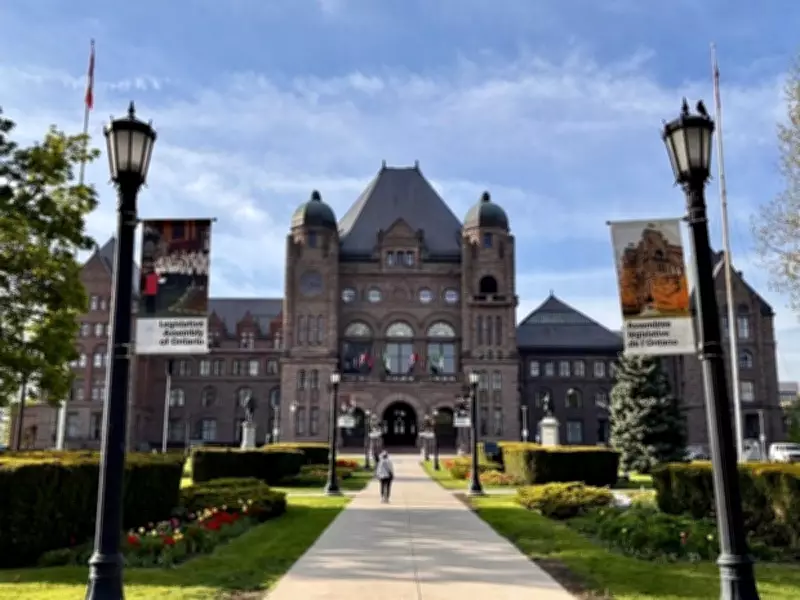
The Progressive Conservative government at Queen's Park has introduced sweeping changes to regional governance in Ontario, eliciting a spectrum of responses from municipal leaders and stakeholders. Tabled on Thursday as part of the Better Regional Governance Act, these reforms are designed to streamline decision-making processes and potentially lower costs for taxpayers in regional municipalities.
Key Changes and Their Implications
Under the proposed legislation, significant alterations are set to reshape how regional councils operate. The plan includes cutting seats in specific counties and regional municipalities, notably in Simcoe County and Niagara Region, where council sizes will be reduced to promote more efficient governance. Additionally, the Minister of Municipal Affairs and Housing will gain the authority to appoint chairs in eight fast-growing regions: Peel, Halton, York, Durham, Waterloo, and others.
These appointed chairs will be endowed with "strong chair" powers, mirroring the "strong mayor" powers already in place in some municipalities. This empowerment allows chairs to hire and fire department heads, including Chief Administrative Officers, veto bylaws and budget amendments, and create and appoint committees independently. The government asserts that these measures will enhance inter-regional decision-making and align priorities with provincial objectives, such as housing and infrastructure development.

Support and Criticism from Municipal Leaders
Reactions to the changes have been polarized. Niagara Falls Mayor Jim Diodati voiced strong support, describing the move as "long-overdue" in a statement accompanying the government's press release. He emphasized that high taxes stem from duplication and inefficiencies, arguing that elected officials are unlikely to vote themselves out of positions without external intervention. "We need this bold move from the Ontario government," Diodati stated, highlighting the potential for cost savings and streamlined operations.
Conversely, John Henry, the Regional Chair and CEO for the Regional Municipality of Durham, expressed disappointment. In a public statement, Henry pointed to Durham's effective planning and service delivery over the past eight years, which he believes reflects the diverse needs of urban, suburban, and rural communities. He criticized the changes as a "disservice" to residents, who he argues deserve a direct voice in selecting their leadership through elections rather than appointments.
Additional Provisions and Future Steps
The legislation also mandates that regions review their council composition following the upcoming municipal elections this year. To ensure a smooth transition, the government plans to collaborate with local municipal leadership to develop a weighted voting framework, similar to the one already implemented in Simcoe County, which will be extended to Niagara Region. This framework aims to provide appropriate and effective representation during the shift to the new council structure.
While the government's press release touts the reforms as a means to lower municipal taxpayer costs and improve governance efficiency, the mixed reactions underscore the complexities of regional administration. As the debate continues, stakeholders are closely watching how these changes will impact local autonomy and service delivery across Ontario's diverse municipalities.