

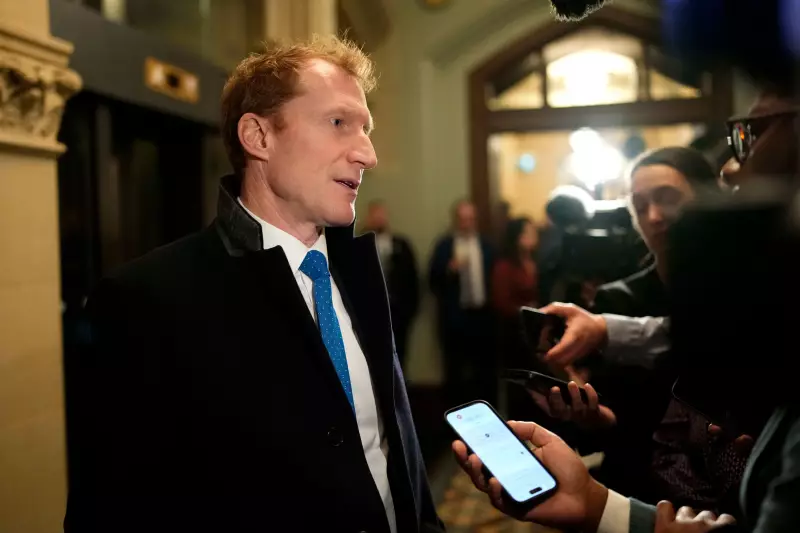
Federal Minister of Canadian Identity and Culture Marc Miller has publicly stated he was personally hurt by recent comments from Quebec Premier François Legault regarding the perceived decline of the French language.
A Clash Over Language and Perception
The political dispute emerged from remarks made by Premier Legault, which Montreal MP Marc Miller found deeply concerning. Miller, who represents a Montreal riding, articulated his emotional response to the Premier's statements, framing the issue as more than just policy but a matter of personal and collective identity. The exchange highlights the ongoing and sensitive national conversation about the state of French, particularly within Quebec and in bilingual cities like Montreal.
The Minister's Personal Reaction
Marc Miller made his feelings known while speaking to reporters on Parliament Hill in Ottawa on Wednesday, December 3, 2025. He was on his way to a meeting of the Liberal caucus when he addressed the media. Miller did not simply disagree with Legault's assessment; he emphasized that the Premier's words caused him personal hurt. This reaction underscores the deeply personal connection many Quebecers, including federal politicians, have with the French language and its place in Canadian society.

As the Minister responsible for Canadian Identity and Culture, Miller's portfolio directly intersects with these language debates. His response suggests a view that political discourse on the topic should be careful and considerate of its impact on individuals and communities, rather than solely focusing on statistical or demographic trends.
Broader Context of the Language Debate
The tension between Miller and Legault sits within a larger, decades-long discussion about protecting and promoting the French language in Canada. Quebec governments have historically positioned themselves as the primary defenders of French in North America, often citing concerns about anglicization and demographic shifts. Federal ministers, especially those from Quebec, must navigate a complex landscape, balancing national bilingualism policies with Quebec's distinct linguistic reality.
Miller's public expression of hurt is a notable moment in this dialogue, shifting the frame from purely political argument to one involving personal sentiment and the emotional weight carried by language for francophones. The incident reveals how discussions about language in Canada are rarely just about policy; they are intimately tied to culture, heritage, and a sense of belonging.
This development occurs as the federal government continues to work on its own initiatives to support official languages. Miller's reaction may signal a particular approach to these issues, one that emphasizes the human element behind the political and legal frameworks governing language use in the country.






