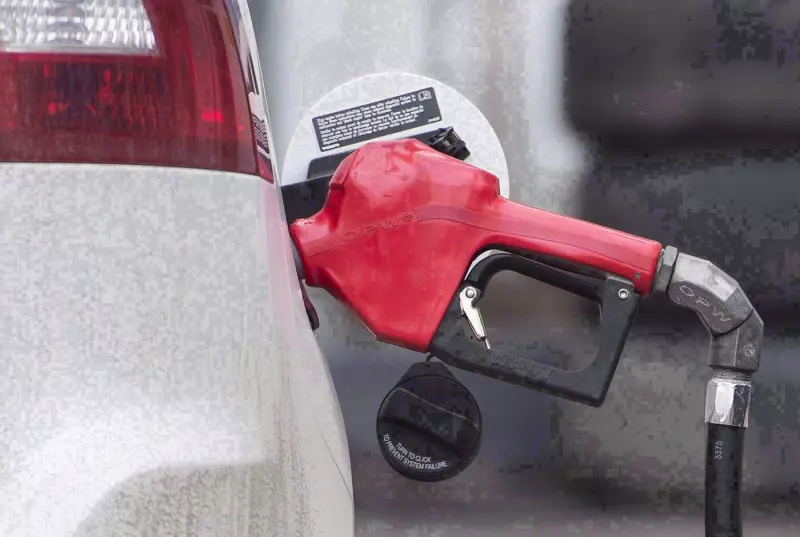
In a significant policy reversal, Manitoba Premier Wab Kinew has officially abandoned a campaign promise to implement government regulation of gasoline prices within the province. The announcement was made on December 23, 2025, marking a departure from a commitment that had been part of his political platform.
The Shift in Policy
The decision represents a clear pivot for the premier and his administration. During the election campaign and earlier in his term, Premier Kinew had positioned the regulation of fuel costs as a measure to protect Manitobans from volatile price swings at the pumps. The proposed policy was aimed at providing consumers with more predictable and stable gasoline pricing, a system already in place in several Atlantic Canadian provinces.
However, the government has now stepped back from this pledge. While no detailed rationale was provided in the initial announcement, such reversals often follow internal reviews that consider administrative complexity, potential market impacts, and legal challenges associated with implementing price controls in the fuel sector.

Context and Consumer Impact
Gasoline prices are a perennial concern for Canadian consumers, directly affecting household budgets and the cost of transporting goods. The promise to regulate was initially met with support from some advocates for consumer protection who argue that free-market competition does not always function effectively in the fuel industry, leading to unjustified rapid price increases.
With this promise now withdrawn, Manitoba drivers will continue to experience gas prices set by the open market, influenced by global oil prices, refinery costs, local competition, and taxes. The announcement on December 23, 2025, ensures that the status quo for fuel pricing in the province remains unchanged for the foreseeable future.
Political and Economic Repercussions
This move is likely to draw criticism from opposition parties and constituents who supported the New Democratic Party based on this specific platform item. Breaking a campaign promise can erode political trust and become a focal point for debate in the legislative assembly.
From an economic perspective, the decision avoids the government entering a complex regulatory field. Price regulation systems require oversight boards, enforcement mechanisms, and can sometimes lead to unintended consequences such as supply issues or reduced competition if not carefully designed. The Kinew government's reversal suggests a recalibration of its policy priorities following a more thorough examination of the practicalities involved.
The abandonment of gas price regulation stands as one of the notable policy decisions from Premier Wab Kinew's early tenure, highlighting the challenges of translating campaign pledges into actionable government programs.