Greenland's Leader Firmly Rejects Trump's Hospital Ship Proposal
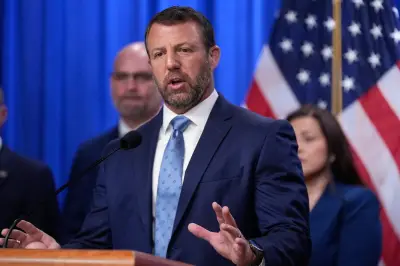
In a significant diplomatic move, Greenland's Prime Minister Jens Frederik Nielsen has explicitly declined an offer from former U.S. President Donald Trump to dispatch a hospital ship to the autonomous Danish territory. The announcement was made during a press conference held in Nuuk, Greenland, underscoring the government's commitment to maintaining its sovereignty and independent decision-making in healthcare matters.
Sovereignty Concerns Take Center Stage
Prime Minister Nielsen emphasized that while Greenland appreciates international cooperation, the unsolicited proposal from Trump was not aligned with the nation's strategic priorities. "We have a robust healthcare system that meets our needs," Nielsen stated, highlighting the importance of self-reliance in Arctic governance. This rejection reflects broader tensions over external interventions in Greenland's affairs, particularly from major powers like the United States.
The hospital ship offer, which originated from Trump's administration, was perceived by many analysts as a symbolic gesture rather than a practical solution. Greenland, with its sparse population and specialized medical requirements, relies on tailored local services rather than large-scale foreign aid. Nielsen's firm "no thanks" signals a clear message about the territory's autonomy and its cautious approach to foreign engagements.

Historical Context and Diplomatic Implications
This incident is not the first time Greenland has been at the center of U.S. attention. In recent years, there have been discussions about potential U.S. investments and military interests in the region, often met with skepticism from Greenlandic officials. The rejection of the hospital ship adds to a pattern of Greenland asserting its independence while navigating complex relationships with global powers.
Experts note that the move could influence future diplomatic interactions between Greenland, Denmark, and the United States. By publicly declining Trump's offer, Nielsen has reinforced Greenland's role as a key player in Arctic politics, capable of making decisive choices that prioritize national interests over external pressures.
As the Arctic region gains geopolitical significance due to climate change and resource exploration, Greenland's stance on sovereignty will likely continue to shape international dialogues. The prime minister's rejection serves as a reminder of the delicate balance between cooperation and autonomy in global affairs.