When British Columbians next go to the polls, the election will be fought over the endless quagmires of reconciliation, affordability, and addiction. It will also be fought over property rights, and that issue promises to overshadow all the others.
Do British Columbians actually own the property they have purchased? The question has gone unanswered since last summer, when the B.C. Supreme Court ruled that Aboriginal title was senior to fee simple in the Cowichan case. Now, that same question has escaped B.C.’s borders and become an issue in Ottawa.
Conservative motion on property rights
Last month, the Conservative Party of Canada forced a vote on an opposition motion that called on the federal government to put private property first in its litigation of the Cowichan case. It contained demands to replace federal litigation guidance that Conservatives say softens the defence of property rights, require explicit protections for fee simple property in future First Nations agreements, and strike a special committee on private property rights.

Unfortunately, the motion was defeated 199 to 139, but it shows how B.C.’s property rights battle has spilled beyond the province, and with good reason. In fact, property rights are the biggest issue to hit B.C. politics since COVID-19.
COVID-19 era contrasted
During the COVID-19 pandemic, then-Premier John Horgan’s management of the crisis saw him ride a wave of immense public trust to a historic majority. Horgan won that majority by calling an opportunistic snap election, but that is politics. During the campaign, the Angus Reid Institute found that the B.C. New Democratic Party (NDP) held a staggering 18-point lead, with voters trusting the party on COVID-19, health care, and housing.
By the end of election day, the NDP won 57 seats and the B.C. Liberals retained just 28. The election broke the old B.C. Liberal “free enterprise” coalition. The party never recovered and, in 2023, rebranded itself into erasure as BC United, while the resurgent B.C. Conservatives monopolized the right-of-centre vote.
Reversal of fortune
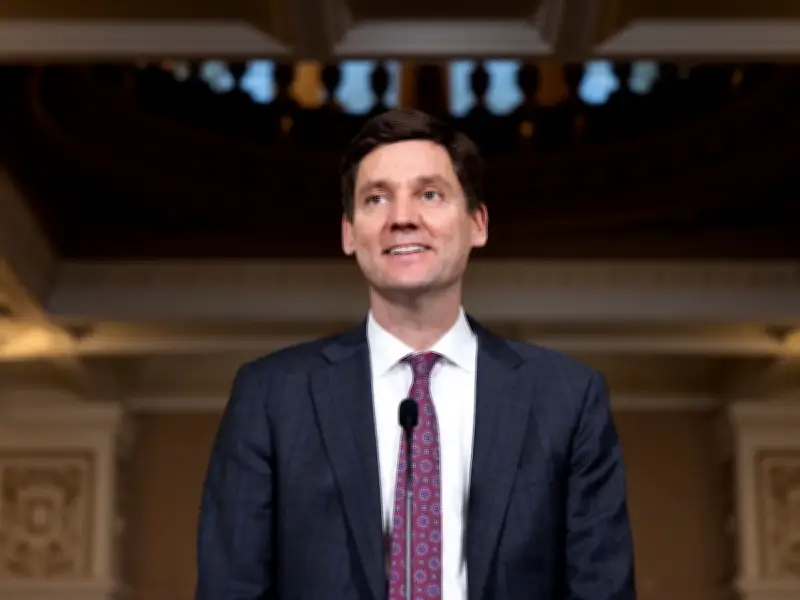
Horgan’s successor is David Eby, and the property-rights issue is doing to him what COVID-19 did for Horgan, only in reverse. The pandemic supercharged confidence in the NDP government, while the government’s lack of action on property rights is destroying that confidence.
The NDP has nobody to blame but itself. For years, it treated “reconciliation” as a painless, symbolic gesture that elites from both sides could rally around, assuming that expanding consultation with First Nations would cause no fundamental change.
Then, the NDP passed the Declaration on the Rights of Indigenous Peoples Act (DRIPA), which was intended to guide government decisions affecting Indigenous peoples. The courts then acted again, ruling in the Gitxaała case that DRIPA went beyond guidance and became a legally enforceable constraint on provincial lawmaking. The bodies that determine those constraints are Indigenous governing bodies that are not accountable to the 95 per cent of British Columbians who are non-Indigenous.