Charles Milliard Acclaimed as Quebec Liberal Leader Without Opposition
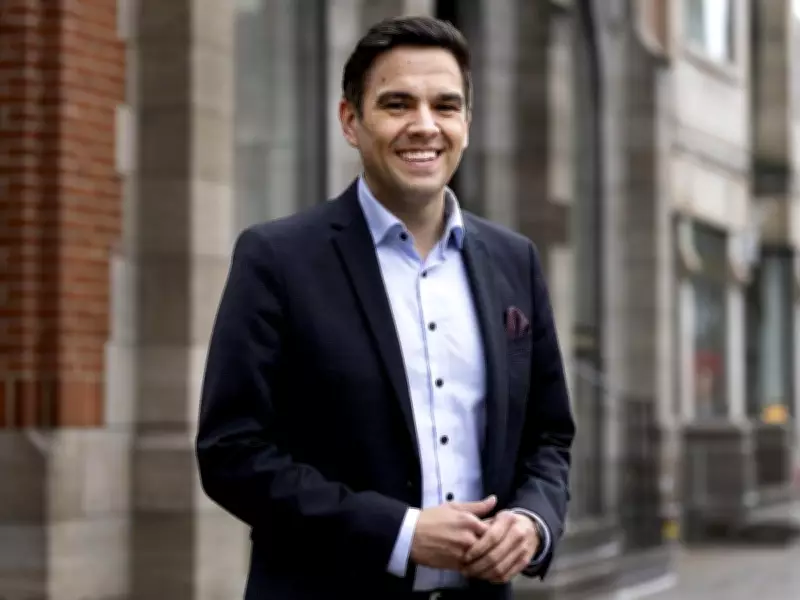
Charles Milliard has been officially confirmed as the new leader of the Quebec Liberal Party, securing the position by acclamation after no other candidates submitted valid applications by Friday's deadline. The 46-year-old former president of the Fédération des chambres de commerce du Québec becomes the 17th leader in the party's history, stepping into a role that comes with significant challenges and expectations.
A Leadership Race Without Competition
Party officials confirmed that Milliard was the only candidate who qualified to run for the leadership position by the 5 p.m. Friday deadline. This development marks a relatively quiet conclusion to what could have been a contentious race, particularly following the turbulent departure of his predecessor, Pablo Rodriguez.
Milliard, a pharmacist by profession, succeeds Rodriguez, who held the leadership for just seven months before resigning in December amid allegations of questionable party financing. Like Rodriguez, Milliard does not currently hold a seat in the National Assembly, though he has expressed intentions to eventually run in the Orford riding in the Eastern Townships, where he resides.

The Absence of Challengers
The leadership contest saw minimal competition, with only one potential opponent emerging: Beauce farmer and economist Mario Roy. Roy had previously participated in the 2025 leadership race, earning a mere 0.8 percent of the vote before being eliminated in the first round. His previous campaign left him with an $18,000 debt, which he is only permitted to repay through donations from fellow Liberals.
To qualify for this race, Roy needed to raise another $15,000 through donations by Friday's deadline, in addition to gathering signatures from 750 Liberal members across at least 70 ridings and 12 regions of Quebec. Despite his determination and public appeals for support, Roy managed to secure only three contributions totaling $250, according to Élections Québec's registry of leadership donations.
In contrast, Milliard received 366 contributions amounting to $95,320, demonstrating substantial support within the party. Roy ultimately declined to comment after Milliard's acclamation was announced.
Internal Party Dynamics and Challenges
Milliard's arrival follows a period of high drama within the Quebec Liberal Party, particularly during November and December when Rodriguez's leadership hung by a thread. The party has announced plans for a rally in Trois-Rivières on Sunday, where approximately 500 Liberals are expected to attend.
The new leader faces a difficult task of navigating internal party dynamics while preparing for the upcoming election. Although he enjoys the support of nearly all 18 Liberal caucus members, Milliard must carefully assign roles to avoid bruising egos. He is expected to retain veteran MNA Marc Tanguay as parliamentary leader in the legislature.
Another pressing issue involves Saint-Laurent MNA Marwah Rizqy, who currently sits as an independent after being expelled from the Liberal caucus by Rodriguez. Rizqy is embroiled in a wrongful dismissal lawsuit filed by her former chief of staff, Geneviève Hinse, whose firing in November sparked the crisis leading to Rodriguez's resignation. Milliard is anticipated to delay any decision regarding Rizqy's status within the party.
External Investigations and Electoral Preparedness
Beyond internal matters, Milliard must contend with ongoing investigations into party financing. Quebec's anticorruption unit, UPAC, is conducting an inquiry, while the legislature's ethics commissioner is examining the use of public funds by another Liberal MNA sitting as an independent, Sona Lakhoyan Olivier.
With the next general election scheduled for October 5, 2026, Milliard faces the urgent task of preparing the party for the campaign. This includes developing a new party platform, recruiting candidates, and fundraising. However, the political landscape in Quebec remains fragmented.

Recent polling data from Léger, conducted for L'Actualité Magazine, indicates that the Parti Québécois leads with 32 percent support, followed by the Liberals at 26 percent, the Coalition Avenir Québec at 17 percent, the Quebec Conservative Party at 14 percent, and Québec solidaire at 7 percent. When Milliard is presented as leader, Liberal support increases marginally to 28 percent.
A Leader with Low Public Recognition
Despite his impressive credentials, Milliard remains relatively unknown to Quebec voters. According to the same poll, 64 percent of respondents stated they do not know who he is, the lowest recognition score among all party leaders vying to become premier.
Polling expert Philippe J. Fournier notes that this lack of public profile presents both challenges and opportunities. On the positive side, only 17 percent of respondents hold a negative opinion of Milliard, suggesting he carries minimal personal baggage aside from the party's internal troubles. "Politically, Charles Milliard is thus a blank page," Fournier observed.
The upcoming election could be influenced by the leadership transition within the Coalition Avenir Québec, which will replace Premier François Legault in April. The new CAQ leader may choose to call an early election, bypassing Quebec's fixed-date election law.
As Milliard assumes leadership, the Quebec Liberal Party stands at a critical juncture, balancing internal reconciliation with the need to present a compelling alternative to voters in a highly competitive political environment.