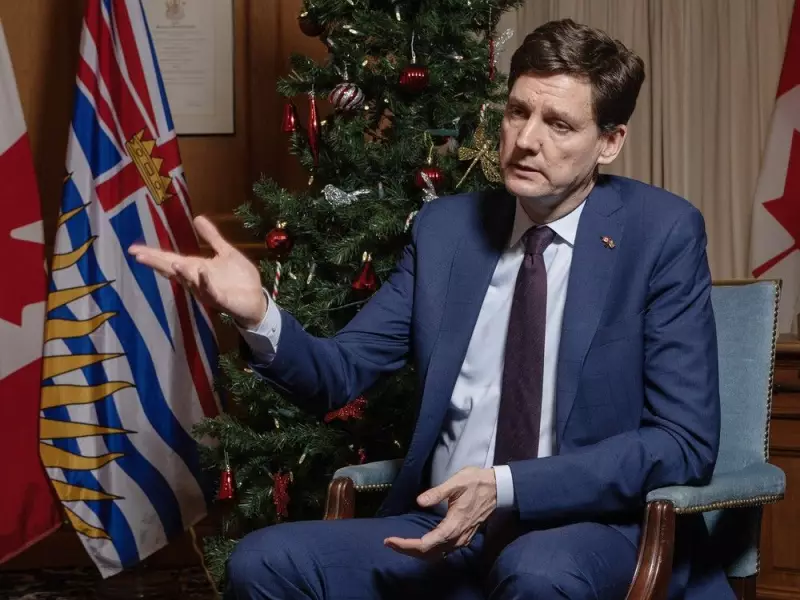
Premier David Eby's flagship legislation, designed to fast-track the construction of critical infrastructure like schools and hospitals, remains in legal limbo eight months after its urgent introduction. The Infrastructure Projects Act, touted as a necessary shield against economic uncertainty, has not come into force due to the government's failure to properly consult Indigenous communities.
A Rush That Backfired
In May 2024, Premier Eby framed the legislation as an emergency response, citing the need to create jobs and build infrastructure swiftly in the face of potential economic threats. "We don't have a moment to waste," Eby told the B.C. legislature, arguing the province could not rely on aging infrastructure. Using their majority, the New Democrats passed the bill in June over opposition objections, cutting off debate to expedite the process.
However, the promised speed has evaporated. As of January 2025, the government's own website lists the Act as "not in force." The central cause is a significant oversight: the Eby government did not conduct advance consultations with First Nations on the legislation, a move that sparked immediate and forceful backlash from Indigenous leaders across British Columbia.

Indigenous Leaders Decry "Unilateralism"
The lapse directly contradicted the province's commitment to the United Nations Declaration on the Rights of Indigenous Peoples (UNDRIP), which B.C. law requires to be implemented. Indigenous representatives were unified in their condemnation.
Grand Chief Stewart Phillip of the Union of B.C. Indian Chiefs labeled the government's approach as "unilateralism" and warned it was setting the stage for larger conflicts. Cheryl Casimir of the First Nations Summit called it a "direct threat to our sovereignty." Terry Teegee, Regional Chief of the Assembly of First Nations, stated the actions caused serious harm to years of reconciliation work.
Even former NDP cabinet minister Melanie Mark, the first Indigenous woman in a B.C. cabinet, expressed dismay, calling the situation "astounding and disheartening."
Government Admits Error, Legislation on Hold
Faced with this unified criticism, the NDP government was forced to acknowledge its mistake. Infrastructure Minister Bowinn Ma admitted the government "did not follow the interim approach that our government had agreed on." Premier Eby himself conceded that the bill did not go through the agreed-upon processes of co-drafting with Indigenous leaders.
This admission has left the premier's priority legislation in a state of paralysis. The promised shovels have not hit the ground, and the urgent timeline Eby championed has been overtaken by the necessity for belated consultations. The delay underscores the complex challenges of aligning major economic initiatives with the province's legal and ethical commitments to Indigenous rights and reconciliation.