Premier David Eby has delivered a swift and definitive rejection to the latest push for electoral reform in British Columbia, shutting down a legislative committee's recommendation to establish a citizens' assembly on the issue.
A Firm "No" from the Premier
In a recent year-end interview with columnist Rob Shaw, Premier Eby left no room for ambiguity when asked about the proposal. "No, I have no interest in that," was his immediate response. This blunt dismissal effectively ends the latest chapter in B.C.'s long-running debate over how to elect its politicians, a debate that was reignited following the razor-thin outcome of the 2024 provincial election.
The Committee's Work and the Green's Bargain
The push for renewed examination stemmed from the political landscape after the 2024 vote, where Eby's New Democrats secured a one-seat majority by a margin of just 22 votes. To ensure stable governance, the NDP struck a working arrangement with the province's two Green MLAs. As part of that deal, the government agreed to appoint an all-party legislative committee to examine potential changes to the system for electing Members of the Legislative Assembly (MLAs).

That committee, which met earlier this year, received close to 1,000 submissions from advocates, experts, and the public. The feedback was heavily critical of the existing first-past-the-post system, with many voices advocating for some form of proportional representation. The committee's final report, however, stopped short of recommending any specific new system.
History Looms Large Over the Debate
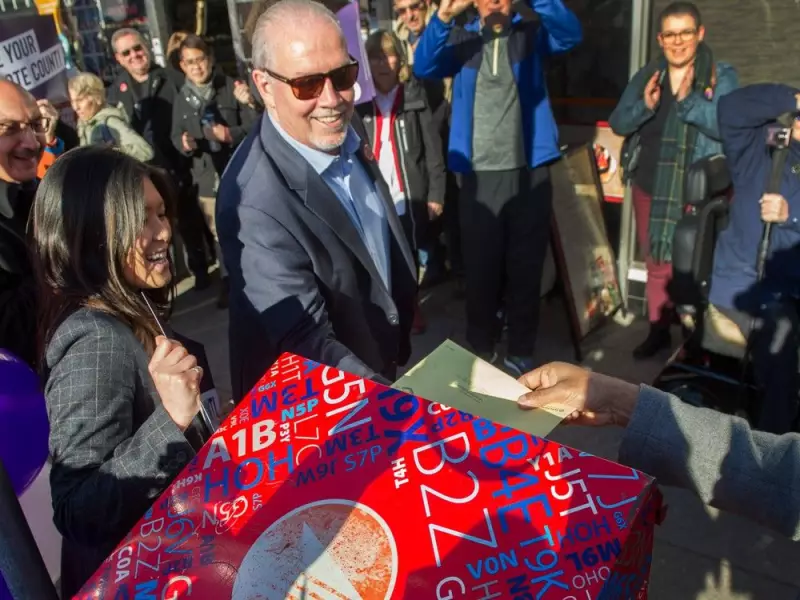
Mindful of B.C.'s contentious history with electoral reform, the committee took a cautious approach. The province has held three major votes on the issue:
- A 2005 referendum where a proposed change fell just short of the required 60% threshold.
- A 2009 referendum where proportional representation was rejected by about 60% of voters.
- A 2018 mail-in ballot where a similar proposal was again defeated by roughly 60%.
Faced with this history, the committee concluded that altering such a fundamental component of democracy required deeper public conversation to build support and trust. Their key recommendation was for the government to "consider establishing a peoples' assembly" to examine the issue in detail and make future recommendations.
Such an assembly would have been modeled on the $5.5 million Citizens' Assembly convened over two decades ago by the then-B.C. Liberal government under Premier Gordon Campbell. That earlier assembly, composed of about 150 randomly selected citizens from every riding, ultimately recommended adopting the single transferable vote, a form of proportional representation.
Premier Eby's unequivocal rejection means this modern proposal for a similar deliberative body is now dead on arrival. His position reinforces the NDP government's stance that the debate over proportional representation is, for them, a political non-starter, despite the continued advocacy from the Green Party and other proponents of systemic change.