The political landscape in British Columbia during 2025 was anything but the serene image the province often projects. Inside the halls of the legislature in Victoria, the year unfolded with a series of unexpected twists, internal conflicts, and strategic realignments that kept voters and pundits on edge. From surprise leadership changes to the dramatic implosion of a major opposition party, 2025 set the stage for a highly consequential election year in 2026.
The NDP's Steady Tempo and a New Green Duet
The governing New Democratic Party, led by Premier David Eby, pursued a strategy of deliberate stability throughout the year. The cabinet remained unchanged, and the government's messaging consistently focused on core issues of affordability, health care, and public safety. Rather than introducing sweeping new policies, the NDP opted for measured adjustments aimed at demonstrating ongoing attentiveness to public concerns.
One of the most significant political developments of the year was the formalization of the Cooperation and Responsible Government Accord (CARGA) with the B.C. Green Party. This agreement transformed a previously informal working relationship into a structured partnership. Unlike the high-stakes confidence-and-supply agreement of 2017, CARGA was presented as a pragmatic arrangement to ensure smooth legislative proceedings, reflecting a more mature and less dramatic political alliance.

Internally, the NDP caucus avoided major public fractures, concentrating its efforts on providing support for renters, seniors, and the strained primary care system. This focus on steady governance appears to have resonated with a segment of the electorate, as indicated by recent Angus Reid polling showing the NDP maintaining a narrow two- to three-point lead, even amidst widespread public dissatisfaction on major issues.
Conservative Chaos: From Breakout to Breakdown
No party experienced a more dramatic and public collapse in 2025 than the B.C. Conservatives. After entering the year with significant momentum and posing as the main challenger to the NDP, the party ended it in disarray. A series of missteps throughout the year culminated in a late-season crisis of leadership.
The situation reached a boiling point when a majority of the party's MLAs signed a letter expressing a loss of confidence in leader John Rustad. The party's board moved to replace him, leading to a public standoff. Rustad initially defiantly refused to step down, amplifying the internal chaos, before ultimately resigning from the leadership days later.
The very public disintegration shattered the party's image as a disciplined alternative. What had looked like a cohesive political movement early in the year devolved into a spectacle of internal strife, leaving supporters disillusioned and the party searching for an interim leader. The episode demonstrated that initial momentum is not synonymous with long-term stability, leaving the party's future as a viable contender uncertain.
New Voices and Shifting Dynamics
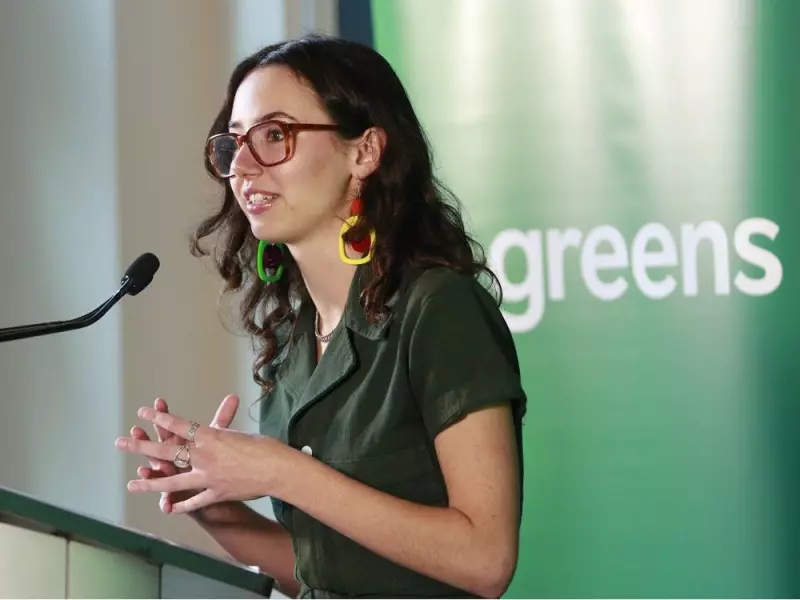
Amidst the NDP's steadiness and the Conservative's turmoil, other political forces were also making moves. The B.C. Green Party ushered in a new era in September 2025 by electing Emily Lowan as its new leader. Lowan, who speaks directly to younger voters feeling alienated from the political mainstream, represents a fresh voice for the party.
However, with only two seats in the legislature, the Greens face the formidable challenge of amplifying their influence. Every political move and statement must be calculated to maximize impact as they head toward the 2026 provincial election. Furthermore, a new right-wing political party emerged on the scene, introducing more strident policy positions that had previously been confined to the political fringe, adding another layer of complexity to the province's ideological spectrum.

The year 2025 in B.C. politics was defined by a restless electorate grappling with high costs and declining trust in institutions. The government clung to stability as its core message, the official opposition unraveled, and smaller parties worked to redefine their roles. As the curtain closes on this chaotic year, all players are now tuning their instruments for the high-stakes performance that will be the 2026 provincial election.