

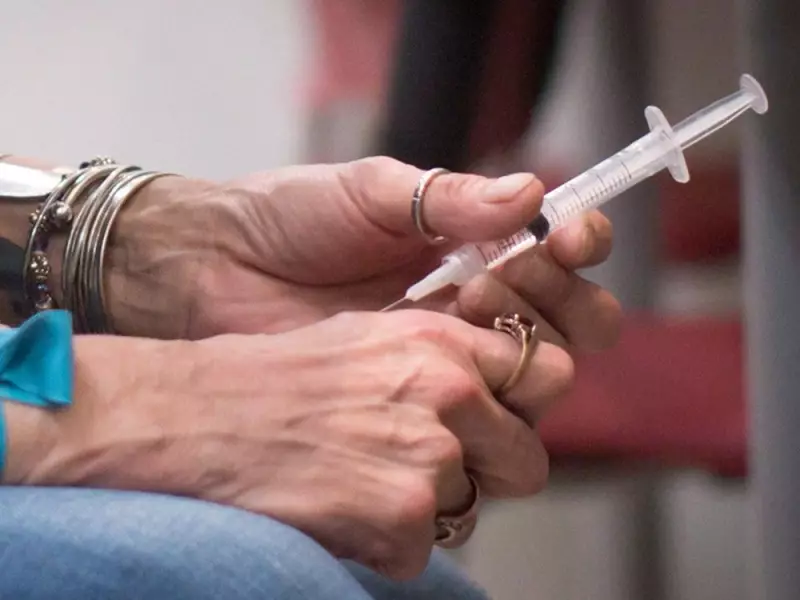
The British Columbia government is introducing stricter controls on its safer-supply drug program, mandating that most prescribed alternatives be consumed under the supervision of healthcare workers. This move comes nine months after the provincial New Democrats first acknowledged that some drugs were being diverted from the program and resold.
New Rules Aim to Curb Diversion to Criminal Networks
The new policy, set to take effect at the end of the year, is a direct response to evidence that some individuals were collecting their prescribed safer-supply medications from pharmacies only to immediately sell or trade them for money or more potent illicit substances. Health Minister Josie Osborne confirmed the shift to a model of witnessed consumption, where a pharmacist or nurse must observe the client taking the drug.
Healthcare professionals will be paid a fee for this supervision, ranging from $4 to $10 per witnessed consumption event, with higher compensation if a user requires multiple doses in a single day. The government first announced its intention to move to witnessed consumption back in February, applying the rule immediately to new program participants.

Why the Delay for Long-Term Users?
A critical question remains: why did it take an additional nine months to extend this requirement to longer-term clients of the safer supply program? Minister Osborne defended the timeline, stating the transition for existing users needed to be handled with sensitivity and methodical care to ensure safety.
However, political observers suggest political safety was a significant factor in the delayed rollout. For months prior to the February announcement, the government downplayed mounting reports of diversion. Journalists from Global TV and Northern Beat had documented informal drug exchanges outside pharmacies in Vancouver, Prince George, and Nanaimo.
Surrey MLA Elenore Sturko had repeatedly raised concerns about the program's failures in the legislature for over two years. Despite this, Public Safety Minister Mike Farnworth previously asserted that police had no evidence of widespread diversion, a claim contradicted by on-the-ground reporting.
A Reaction to Mounting Evidence and Criticism
The government's latest action is widely seen as a reaction to sustained pressure and undeniable evidence. The policy shift marks a significant course correction for a program designed to provide a regulated alternative to the toxic illicit drug supply and save lives amid the ongoing overdose crisis.
While the new witnessed consumption rules aim to close a glaring loophole, they highlight a period of delayed action. The implementation timeline raises questions about the government's responsiveness to critical flaws in a high-stakes public health initiative. The effectiveness of these new measures in stopping diversion while maintaining access for those who rely on the safer supply will be closely watched.






