B.C. Greens Announce Termination of Cooperation Agreement with NDP Government
The political landscape in British Columbia shifted dramatically on Monday as the B.C. Greens announced the termination of their cooperation agreement with the NDP government. This announcement came just minutes after Premier David Eby stated that negotiations to renew the accord were still actively continuing, creating a stark contrast in public statements that highlights the deepening rift between the two parties.
Unmet Commitments Prompt Agreement Termination
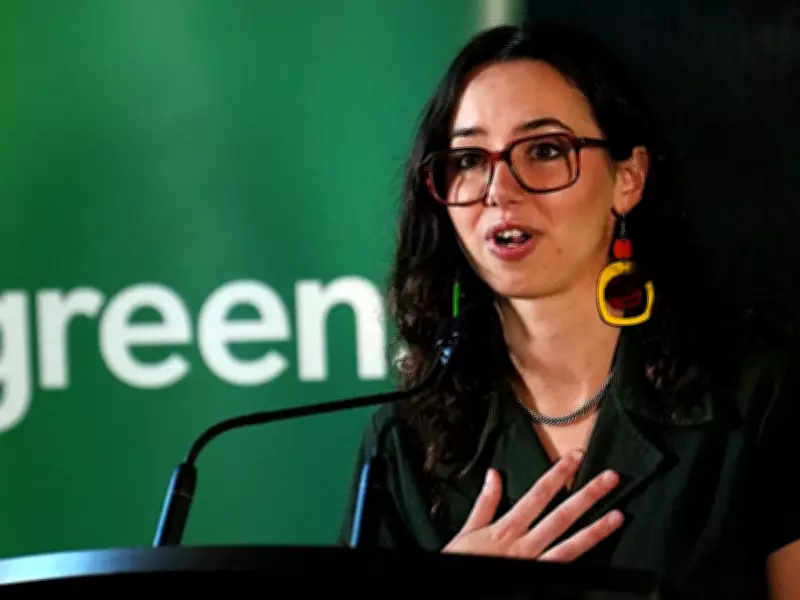
Party leader Emily Lowan revealed that the decision to end the Co-operation and Responsible Government Accord (CARGA) stemmed from the government's failure to complete approximately two-thirds of the actions promised when the agreement was originally signed in March of last year. Lowan emphasized that this agreement represented more than just political maneuvering—it was a commitment to British Columbians who sought tangible action on critical issues during a period of significant uncertainty.
Specific unfulfilled commitments cited by the Greens include:

- The promised $15 million allocation to expand Community Health Centres across the province
- Improvements to public transit along key corridors, including the vital Sea to Sky Highway
- Implementation of public coverage for psychological services
"The Greens upheld our side of the agreement, voting confidence where specified, and there were genuine results for British Columbians that emerged from this partnership," Lowan told reporters at the legislature. "However, when it came to delivering on community health centers, Sea to Sky transit improvements, or psychologist coverage, the NDP simply failed to follow through."
Negotiation Breakdown and Political Implications
Attorney General Niki Sharma, who led negotiations for the NDP regarding CARGA renewal, presented a different perspective on the impasse. She indicated that fundamental disagreements about what constitutes a confidence vote created an insurmountable barrier to continuing the agreement.
"As the Greens refuse to rule out voting with the Conservatives on confidence measures that could potentially trigger an election, we found ourselves unable to establish common ground," Sharma explained. "British Columbians have clearly expressed that they do not want another election—they want their government to focus on taking meaningful action on the issues that matter most to them."
New Leadership and Changing Dynamics
The annual review process for the cooperation agreement began in the fall following the election of Emily Lowan as the new leader of the B.C. Greens. Lowan succeeded Sonia Furstenau, who stepped down from her leadership position at the end of January 2025. This leadership transition appears to have influenced the Greens' approach to their relationship with the governing NDP.
With the agreement now terminated, Green MLAs Rob Botterell and Jeremy Valeriote have indicated they will determine their voting positions on legislation on a case-by-case basis moving forward. This approach largely mirrors their recent voting patterns, suggesting the formal agreement had already been weakening in practical terms.
Government Stability Concerns
Although the termination of the cooperation agreement does not immediately threaten the government's stability, the NDP's precarious one-seat majority creates vulnerability should any of their MLAs become unable to vote. This concern is particularly relevant given recent health challenges faced by government members.
Victoria-Beacon Hill MLA Grace Lore and Vancouver-Strathcona MLA Joan Phillip have both undergone treatment for health issues over the past year, with Lore taking an extended leave for cancer treatment. These circumstances underscore how even temporary absences could significantly impact the government's ability to pass legislation without opposition support.
The termination of CARGA marks a significant turning point in British Columbia's political dynamics, potentially reshaping how legislation moves forward and how opposition parties interact with the minority government in the coming months.