Gold Surges Past $5,000 as Dip-Buyers Re-Enter Volatile Precious Metals Market
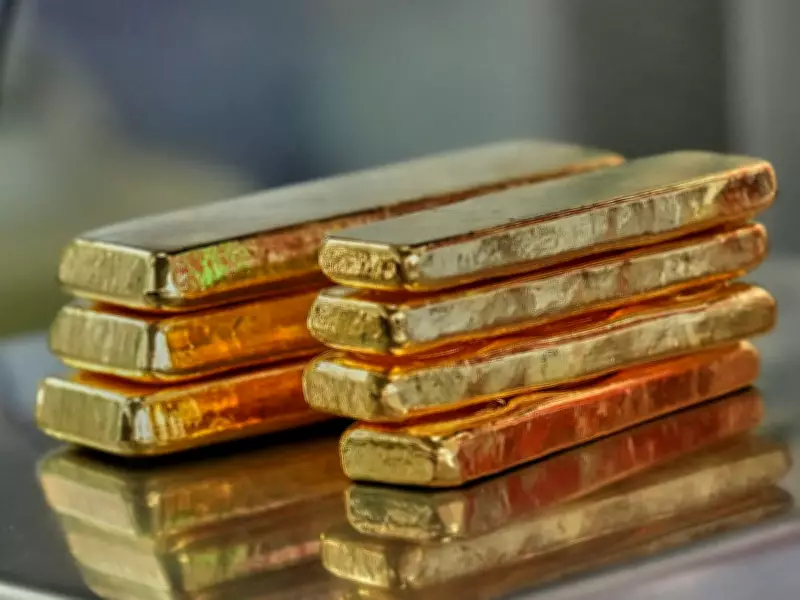
Gold prices have climbed above the significant threshold of US$5,000 per ounce, marking a notable recovery as dip-buyers return to a market characterized by exceptional volatility over the past week. This resurgence follows a historic rout at the end of last month, which saw precious metals crash after a record-breaking ascent.
Market Recovery and Key Drivers
Bullion rose as much as 2.3 per cent on Monday, gaining further ground after the dramatic decline. The metal has now recovered approximately half of the losses sustained since it plunged from an all-time high reached on January 29. Concurrently, a gauge of the U.S. dollar weakened, providing additional support for gold prices.
Ahmad Assiri, an analyst at Pepperstone Group Ltd., emphasized the importance of this stabilization, stating that gold's ability to hold above the US$5,000 mark "will be critical in determining whether the market can transition from a reactive bounce to a more sustainable advance."

Central Bank Purchases and Demand Factors
Data released over the weekend revealed that the Chinese central bank extended its gold purchases for a 15th consecutive month, underscoring resilient official demand. This has been a major component of the extended bull run that preceded the recent downturn. According to the official Securities Times, such purchases are expected to continue, with relatively small-scale acquisitions helping the People's Bank of China diversify its assets without causing significant price volatility.
Chinese regulators have also advised financial institutions to rein in their holdings of U.S. Treasuries, citing concerns over concentration risks and market volatility. Officials have urged banks to limit purchases of U.S. government bonds and instructed those with high exposure to reduce their positions.
Speculative Activity and Broader Market Context
The recent record-breaking ascent in precious metals was driven by several factors, including:
- Heightened geopolitical risks
- The debasement trade
- Concerns about the Federal Reserve's independence
A wave of speculative buying added fuel to this run before gold and silver crashed at the end of last month. Scott Bessent, United States Treasury Secretary, cited "unruly" trading in China as a contributing factor behind last week's wild price swings.
Institutional Support and Long-Term Outlook
Despite a week of choppy trading since the historic reversal, major banks and asset managers, including Deutsche Bank AG, Goldman Sachs Group Inc., and Pictet Asset Management, have backed bullion to recover. They point to long-term demand drivers such as:
- Wider diversification away from U.S. assets
- Policy uncertainties
- Elevated central-bank buying
Silver's Volatile Performance
Silver has experienced even more violent market moves than gold, amplified by speculative momentum. The white metal, which has lost more than a third of its value since hitting a record peak, rose as much as six per cent on Monday to top US$82 an ounce.
Marc Loeffert, a trader at Heraeus Precious Metals, noted in a Monday report that "Silver has entered a markedly higher-volatility regime." He attributed recent reversals of rapid losses to retail dip buying, which has driven large ETF inflows into silver.
Upcoming Economic Indicators
Looking ahead, upcoming U.S. economic data is expected to provide traders with crucial clues on the Federal Reserve's policy direction. Key releases include:
- The January jobs report due Wednesday, anticipated to show signs of labor market stabilization
- Inflation data scheduled for Friday
These indicators will likely influence market sentiment and trading strategies in the precious metals sector as investors navigate ongoing volatility and assess long-term trends.