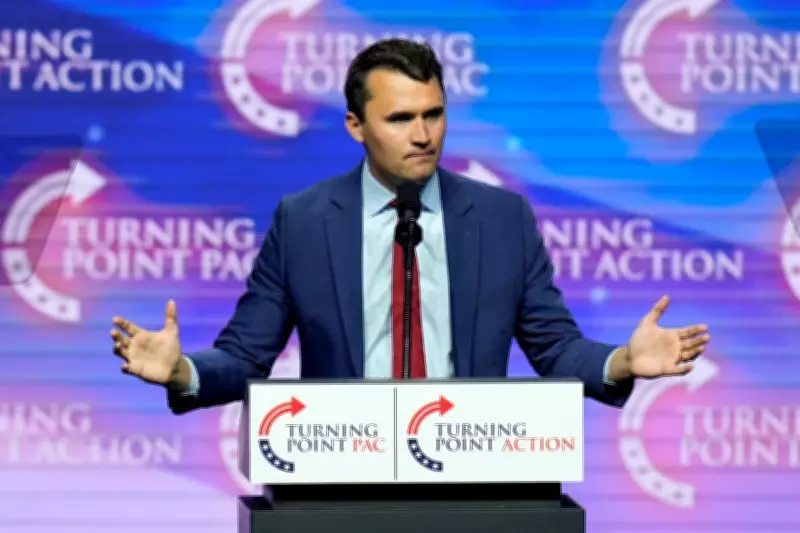
In a move that has sparked significant political debate, Arizona state officials have formally vetoed a proposed highway project linked to conservative activist and Turning Point USA founder Charlie Kirk. The decision, announced recently, was explicitly attributed to political motivations by the authorities involved, rather than any technical or budgetary concerns regarding the infrastructure plan itself.
Political Underpinnings of the Veto
The highway proposal, which had been under consideration for some time, faced sudden rejection as officials cited the political nature of its association as a primary reason for the veto. This action highlights the increasingly contentious intersection of infrastructure development and partisan politics in the state. While specific details of the highway's route and funding were not fully disclosed, its connection to Kirk, a prominent figure in conservative circles, appears to have been a decisive factor.
Reactions and Implications
The veto has drawn mixed reactions from various stakeholders. Supporters of the decision argue that public infrastructure projects should remain free from overt political affiliations to ensure fair and equitable development. Conversely, critics contend that the move represents a politicization of essential public works, potentially setting a precedent where projects are judged based on political connections rather than their merit or community benefit.

This incident underscores broader tensions in Arizona's political landscape, where infrastructure initiatives are often caught in the crossfire of partisan disputes. The state has seen numerous debates over transportation funding and development priorities in recent years, with this veto adding another layer of complexity to those discussions.
Background on Charlie Kirk and Turning Point USA
Charlie Kirk is widely known as the founder and executive director of Turning Point USA, a conservative nonprofit organization that focuses on student outreach and political activism. His involvement in this highway proposal, though not detailed in the officials' statements, likely contributed to the political scrutiny it received. Kirk has been a vocal figure in national politics, often championing conservative causes, which may have influenced the perception of the project.
The veto raises questions about how political figures' associations can impact local and state-level decisions, particularly in areas like infrastructure that typically prioritize practical over partisan concerns. As Arizona continues to grow and modernize its transportation networks, such controversies may become more frequent, challenging officials to balance political realities with public needs.
Moving forward, this case could prompt further examination of the criteria used to evaluate infrastructure proposals, with calls for greater transparency and depoliticization in the process. Whether this veto will lead to lasting changes in how Arizona handles similar projects remains to be seen, but it certainly marks a notable moment in the state's ongoing political and developmental narrative.