The United Conservative Party government in Alberta has introduced sweeping legislative changes that could dramatically reshape the province's political future. The omnibus bill, tabled on Thursday, December 4, 2025, is a significant move with two major implications: it clears a path for a potential referendum on Alberta independence while simultaneously allowing ongoing recall efforts against government members, including the premier, to continue unabated.
Separatist Referendum Greenlit, Legal Hurdles Removed
The legislation fundamentally alters the process for citizen-led referendums. A key provision strips Elections Alberta of its authority to refer a proposed separatist question to the courts for a legal review. This change directly impacts the Alberta Prosperity Project, a separatist group whose proposed referendum question had been under legal examination.
With this barrier removed, the group can now reapply within 30 days to have their question put to Albertans. The proposed question is direct: “Do you agree that the Province of Alberta shall become a sovereign country and cease to be a province of Canada?” If approved, organizers would need to gather roughly 177,000 valid signatures to trigger a province-wide vote.

Justice Minister Mickey Amery framed the move as a matter of fairness, arguing it prevents separatists from piggybacking on a rival petition. Thomas Lukaszuk’s “Forever Canadian” petition, which has amassed over 400,000 signatures asking if Alberta should remain in Canada, will now be directed to a legislative committee for consideration rather than leading to a public referendum. The government contends that separatists should have to prove their support through the standard petition process, not benefit from a question designed to affirm Confederation.
Recall Campaigns Against UCP MLAs Allowed to Proceed
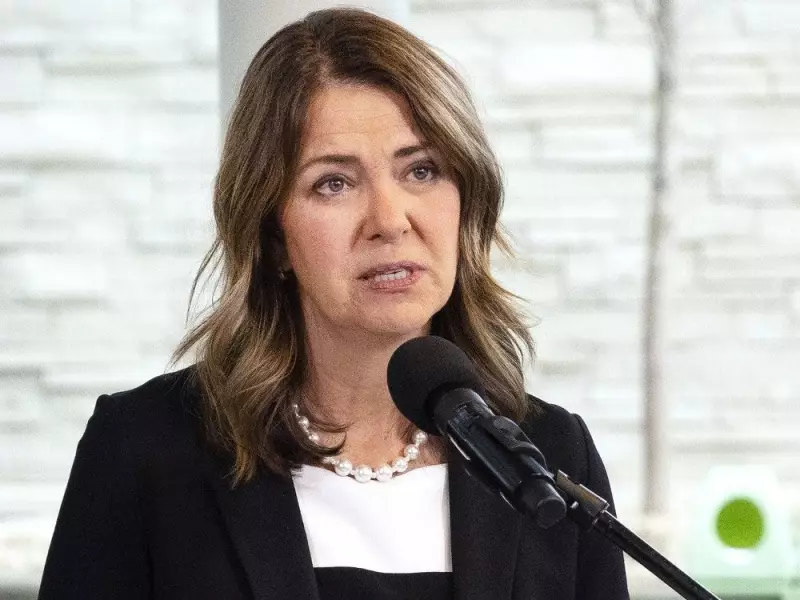
In a parallel development, the bill does not intervene to halt active recall campaigns. Recall petitions targeting 15 UCP legislature members, including Premier Danielle Smith herself, will be permitted to continue. This decision means significant political pressure could persist for these elected officials, as organizers work to collect the requisite number of signatures from constituents to potentially force a by-election.
The government's choice not to stop these recalls signals a willingness to let this direct democratic mechanism run its course, despite the potential instability it could introduce for the governing caucus.
Political Rebranding Blocked
A third notable element of the bill deals with party names. It explicitly blocks former UCP MLA Peter Guthrie from reviving the “Progressive Conservative” name for his new political party. This move consolidates the UCP's claim as the successor to the former PC dynasty and limits Guthrie's ability to leverage that historic brand identity.
Collectively, this omnibus bill represents a major shift in Alberta's democratic toolkit. By enabling a clear path for a sovereignty vote while enduring the heat of recall campaigns, the UCP government is navigating a complex political landscape where populist sentiment and direct democracy are powerful forces. The coming months will reveal whether separatists can mobilize the signatures needed for their referendum and how the recall efforts will impact the government's stability.