The political landscape in Alberta is set for a historic and potentially tumultuous showdown, with a definitive vote on the province's separation from Canada now scheduled for the fall of 2026. This landmark referendum will ask Albertans a direct question: "Do you agree that the Province of Alberta should cease to be a part of Canada to become an independent state?"
The Path to the 2026 Vote
The mechanism to trigger this vote heavily favors the separatist cause. Under current rules, the group leading the charge, the Alberta Prosperity Project, needs to gather only 178,000 petition signatures to force the referendum onto the ballot. This threshold is notably lower than the 293,000 signatures required by Thomas Lukaszuk's pro-Canada 'Forever Canadian' movement, a disparity critics label as government favoritism aimed at placating separatist elements within the governing United Conservative Party (UCP).
Premier Danielle Smith recently increased the fee for launching such signature drives from $500 to $25,000, a move seen as a minor hurdle for a motivated separatist movement that could likely raise the sum quickly from its supporters.

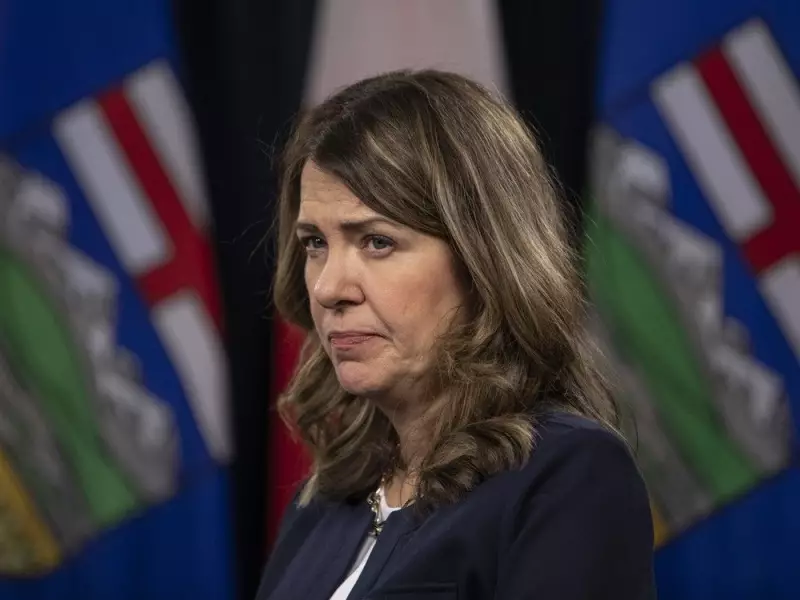
Danielle Smith's Precarious Balancing Act
Premier Smith continues to publicly advocate for a "sovereign Alberta within a united Canada," a stance that helped her win the UCP leadership in 2022 and the subsequent provincial election. She pins her hopes on a memorandum of agreement with Prime Minister Mark Carney's Liberal government in Ottawa.
However, this position is increasingly tenable within her own party. At the UCP convention in November 2025, Smith was booed by some delegates for reiterating her belief in a united Canada. In stark contrast, separatist leader Jeffrey Rath received cheers when he called for an independent Alberta, highlighting the deep rift within the conservative coalition.
The High-Stakes Political Calculus
Political observers suggest that Smith and the UCP establishment do not genuinely want the independence vote to pass. Their preferred scenario is that the referendum fails, effectively shelving the contentious issue for years while having used the threat to extract concessions from Ottawa and maintain party unity.
Yet, the campaign carries significant risk. As Thomas Lukaszuk has warned, once a full-fledged separation campaign begins, public sentiment could spiral beyond anyone's control. The possibility of a 'Yes' victory is real, which would force an unprecedented constitutional crisis and put Premier Smith in an impossible position.
The core question then becomes: If the separatist question wins in 2026, what will the 'sovereignty premier' do? Would the UCP be forced to adopt independence as formal government policy, or would it fracture completely? The coming year promises to be one of intense debate, setting the stage for a vote that could redefine Alberta's future within Confederation.