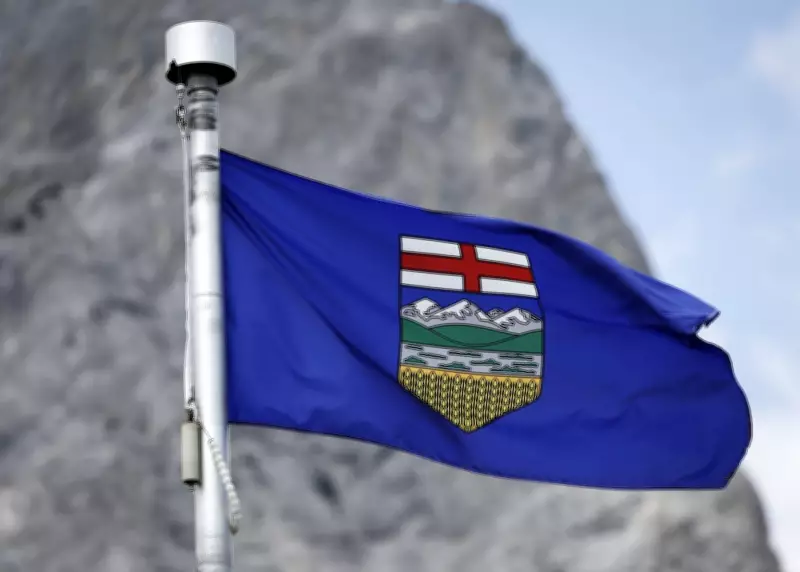
On April 28, 2026, Albertans gathered to mourn 144 workers who lost their lives due to work-related illnesses or injuries in 2025. The somber occasion, observed as the National Day of Mourning, served as a stark reminder of the ongoing risks faced by workers across the province.
Remembering the Fallen
Families, colleagues, and community members participated in ceremonies throughout Alberta to honor those who died. The names of the deceased were read aloud at various events, emphasizing the human cost behind workplace tragedies. Among the 144 fatalities, many resulted from occupational diseases, such as cancer caused by exposure to hazardous substances, while others were due to traumatic injuries on the job.
Workplace Safety Concerns
Advocates and labor groups used the day to call for stronger safety regulations and better enforcement. They argued that many of these deaths were preventable with proper precautions and training. The construction, oil and gas, and transportation sectors saw the highest numbers of fatalities, prompting renewed discussions about industry-specific safety measures.

Government officials expressed condolences and reaffirmed their commitment to improving workplace safety. However, critics noted that recent budget cuts to occupational health and safety inspections may have contributed to the high number of deaths. They urged the province to allocate more resources to prevent future tragedies.
Community Response
In Edmonton and Calgary, workers held candlelight vigils, while unions organized educational sessions on workers' rights and safety protocols. The Alberta Federation of Labour released a statement calling for a comprehensive review of workplace fatality data and the implementation of a provincial action plan.
As the province continues to grapple with these losses, the Day of Mourning stands as a solemn reminder of the need for constant vigilance in protecting workers' health and safety. The 144 lives lost in 2025 are not just statistics; they are fathers, mothers, siblings, and friends whose absence is deeply felt across Alberta.