Alberta Gas Tax to Continue as Oil Prices Rise, Deficit May Shrink
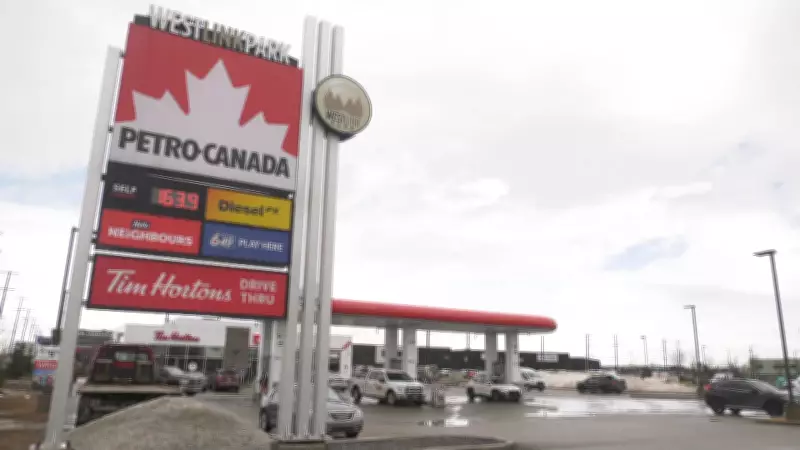
Alberta's finance minister, Nate Horner, has confirmed that the provincial gas tax will not be suspended, despite increasing pressure from federal Conservative leader Pierre Poilievre for relief at the pumps. This announcement comes as surging oil prices offer a potential boost to the province's budget deficit, though officials indicate no immediate plans for tax cuts.
Financial Implications of High Oil Prices
The recent spike in global oil prices could significantly benefit Alberta's fiscal outlook by reducing the projected budget deficit. However, Minister Horner emphasized that this economic windfall does not translate into immediate gas tax relief for consumers. The province is prioritizing long-term financial stability over short-term measures, citing ongoing budget constraints and the need to fund essential services.
Federal Opposition Calls for Action

Pierre Poilievre, leader of the federal Conservative Party, has publicly urged the Alberta government to scrap gas taxes for the remainder of the year to alleviate financial burdens on residents. In response, Horner stated that while the province monitors economic conditions closely, there are no current proposals to adjust the tax structure. This stance highlights a growing political divide over energy policy and consumer affordability in Canada.
Broader Economic Context
Alberta's economy remains heavily reliant on the energy sector, making it particularly sensitive to fluctuations in oil markets. The current price surge is attributed to global supply disruptions and increased demand, which could inject additional revenue into provincial coffers. Experts suggest that if sustained, these higher prices might enable Alberta to address its deficit more aggressively without resorting to tax hikes or spending cuts in other areas.
Consumer Impact and Future Outlook
For Alberta drivers, the continuation of the gas tax means fuel costs will remain elevated, even as oil prices climb. This decision has sparked debate among economists and policymakers about the balance between fiscal responsibility and public relief. Looking ahead, the province plans to reassess its tax policies in the context of broader economic trends, but for now, residents should not expect any changes at the pump.