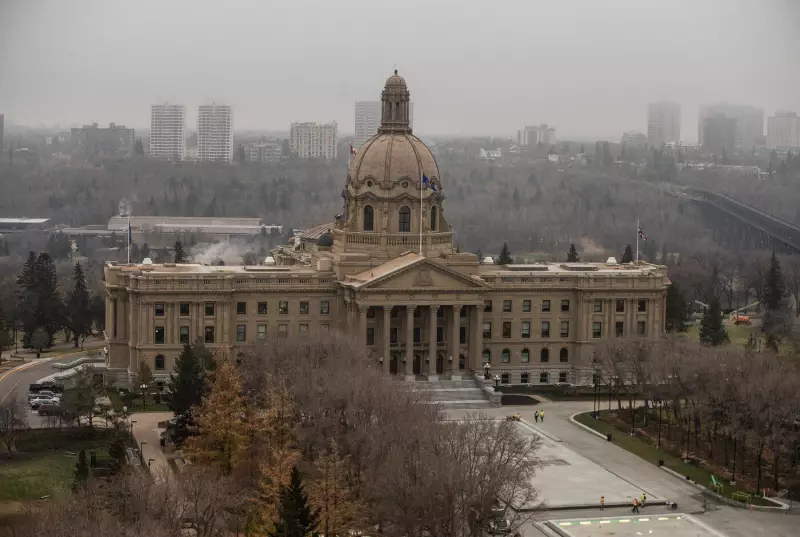
The landscape of Alberta politics is witnessing a significant surge in direct democratic action, as the number of elected officials facing citizen-led recall efforts has climbed to twenty-six. This development follows the issuance of three new petitions, signaling a sustained and growing movement aimed at holding provincial representatives accountable.
A Growing List of Targeted Representatives
The latest update, reported on December 23, 2025, confirms the addition of three more names to the list of politicians subject to recall campaigns. This brings the total to twenty-six members of the Legislative Assembly of Alberta. The petitions are a mechanism under provincial law that allows constituents to seek the removal of their elected MLA before the next fixed election date, provided they gather sufficient signatures.
The process is a rigorous one, requiring organizers to collect signatures from a substantial percentage of eligible voters in the respective electoral district. The fact that two dozen politicians are now facing this challenge underscores a notable level of organized public dissatisfaction or specific policy disagreements across various constituencies in the province.

The Mechanism and Its Implications
Recall legislation in Alberta empowers citizens to directly challenge the tenure of their MLA. While the specific reasons for each petition can vary, their collective rise points to an engaged and, in some quarters, discontented electorate. The petitions do not guarantee removal but force a formal process and public conversation about an MLA's performance and representation.
This wave of recall activity creates a unique dynamic at the Alberta Legislature, potentially influencing legislative priorities and the political strategies of all parties. MLAs facing petitions may find their focus divided between their legislative duties and the need to address concerns in their ridings more directly.
Context and Public Sentiment
The increase from twenty-three to twenty-six petitions in a short period suggests the recall movement is gaining momentum rather than fading. It reflects a tool being actively utilized by citizens across the political spectrum, depending on the riding, to voice their approval or disapproval of their representative's actions.
Political observers note that such widespread use of recall mechanisms is relatively rare in Canadian politics, making the situation in Alberta particularly noteworthy. The outcome of these petitions will be closely watched, as they could set precedents for citizen engagement and accountability measures in other provinces.
As the deadline for signature gathering approaches for various petitions, the political climate in Alberta remains charged. The success or failure of these efforts will deliver a clear, quantifiable message about the current state of the relationship between Albertans and their elected officials in Edmonton.