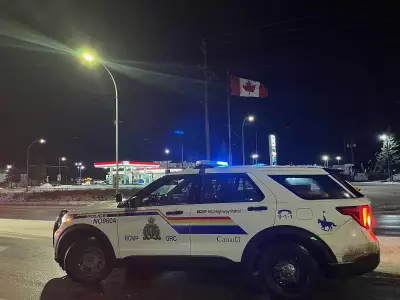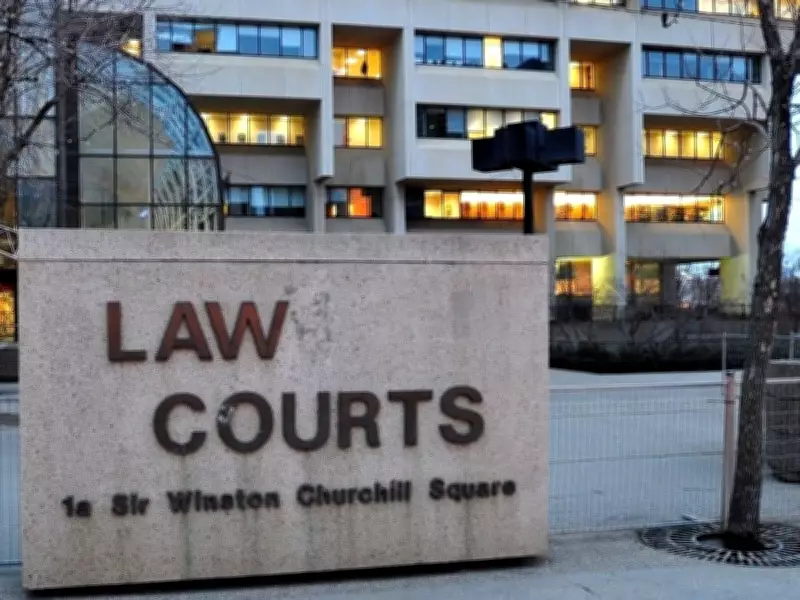
It is rare to see a judge rebuke a human rights commission as thoroughly as Court of King's Bench Justice John Little did on Monday. Little overturned the Alberta Human Rights Commission's 2024 ruling of racism against the Edmonton Police Service, and did so completely, ensuring no re-hearing of the complaint.
Judge's Criticism
In Little's assessment, the decision by commissioner Erika Ringseis was so logically inconsistent that it could not stand. Such a complete overturning of a commission decision is particularly unusual because rulings by human rights tribunals carry the same legal weight as those by King's Bench justices. The Supreme Court has determined that, in matters under a tribunal's jurisdiction, courts must defer to the commission's judgment when findings are deemed internally coherent, demonstrate a rational chain of analysis, and are justified in relation to the facts and law.
The judge found that the Alberta Human Rights Commission decision failed all three standards.

Background of the Case
In 2017, two black men, Yousef John and Caesar Judianga, witnessed a white woman breaking into a car and called 911. Before officers arrived, a third black man joined them in holding the woman down and attempting a citizen's arrest. When police arrived, Const. Jordan Steele pepper-sprayed all three men less than a minute after arriving, ordered them to the ground, handcuffed them, and told them they were lucky they hadn't been shot. In contrast, the alleged white female burglar gave a statement and was driven to a friend's house by another officer. Only after the black men explained their side were they unshackled and given water to wash the pepper spray from their eyes.
Analysis
While the author acknowledges that police face dangerous situations and must make split-second decisions, there may be an argument that racial profiling occurred. However, it is also possible that officers would have responded similarly if three white men were holding down a female victim. Commissioner Ringseis gave officers some deference in her 2024 ruling, finding them not guilty of racism but merely doing their duty in a difficult situation.