Opinion: Calgary Tragedy Means We Must Prevent Domestic Violence Earlier
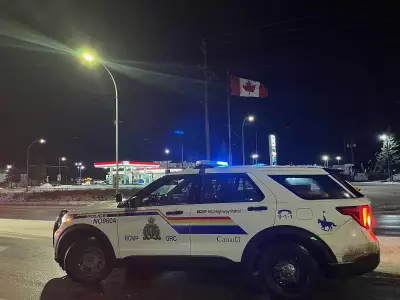
This has been a difficult week for Calgary. Last week, two children were killed in an alleged domestic violence homicide, and their father has been charged. Like many in our community, I am struggling to process this loss. It is an unthinkable tragedy, and it forces a difficult but necessary reflection: this kind of violence is rarely random.
We often describe these cases as shocking. But the patterns behind them are not. For the past four years, research I have led has examined how domestic violence unfolds over time. What we see consistently is that it tends to escalate. It is not a single moment but a trajectory.
In this case, police were reportedly called to the home at least four times before the homicide. During these incidents, no charges were laid. That detail matters. Our research shows that 73 per cent of men charged with domestic violence in Calgary had previous contact with police, often through non-criminal domestic incidents. In other words, risk was visible well before violence escalated to the point of charges. This is a pattern. These police interactions are warning signs. But, too often, they do not trigger meaningful community or legal intervention.

I work closely with the Calgary Police Service and have deep respect for the complexity that officers face. These calls are difficult and have real consequences for everyone involved. And there are important efforts underway to strengthen response and co-ordination in domestic violence cases. But we need to be honest about something: knowing the patterns that lead to domestic violence crimes and acting on them are not the same.
Domestic violence does not sit within one system. It moves across policing, social services, the legal system, and community supports. Yet, rather than co-ordinated, our responses are still fragmented, focused more on managing incidents after they happen than on reducing risk over time. This points to a gap in our approach to ending domestic violence.
When police respond to a domestic violence call that does not meet the threshold for charges — such as the ones that preceded last week's double homicide — the interaction cannot end there. It should be the beginning of a prevention response, treated as an early intervention opportunity. This means ensuring that every call about a domestic violence encounter triggers a co-ordinated follow-up, especially when children are present. It means offering referrals, providing clear pathways to support, and actively connecting men to services that can reduce risk. It also means recognizing that a pattern of repeated calls, even without charges, is not neutral. It is information we must use to stop violence before it worsens.
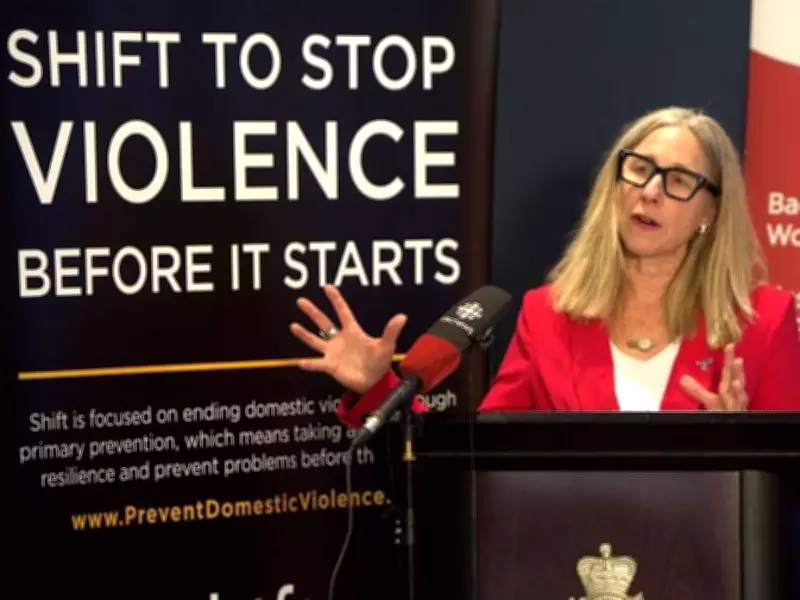
Lana Wells is the Brenda Strafford Chair in the Prevention of Domestic Violence and leads Shift: The Project to End Domestic Violence at the Faculty of Social Work and is a Fellow at the School of Public Policy, University of Calgary.