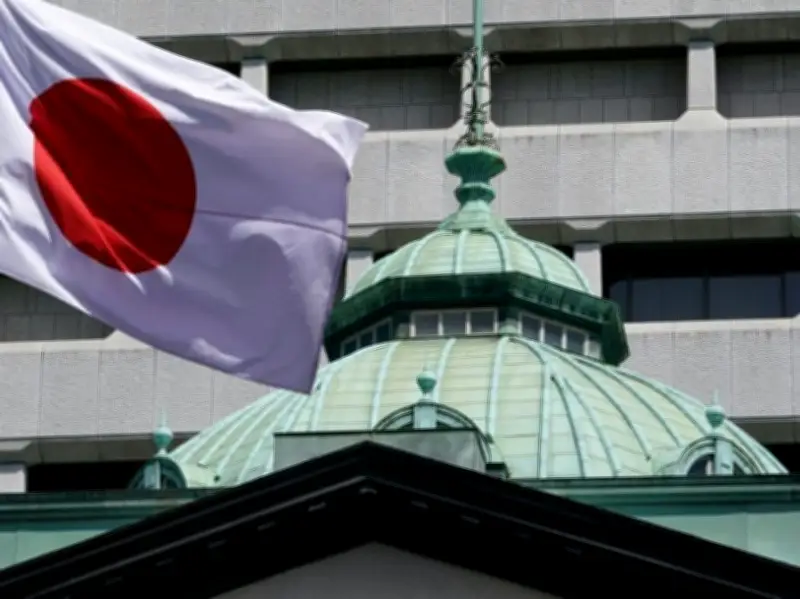
A group of nearly 150 Japanese academics has formally petitioned lawmakers opposing a bill that would criminalize damaging the national flag, warning it could curtail freedom of political expression. The bill, a key part of Prime Minister Sanae Takaichi's conservative agenda, cleared the lower house last week and could pass the upper house later this month.
Details of the Proposed Legislation
The bill states that anyone who publicly damages, removes, or defaces the national flag in a manner causing significant discomfort or revulsion to others faces up to two years in prison or a fine of up to 200,000 yen (approximately $1,200). It was approved in the lower house, where the ruling Liberal Democratic Party (LDP) holds a majority.
In a statement submitted to lawmakers, 148 legal experts expressed strong concerns that the law could curb freedom of political expression and raised grave worries from the viewpoint of criminal law.

Academic Arguments Against the Bill
At a news conference on Thursday, Takaaki Matsumiya, a law professor at Ritsumeikan University, highlighted Japan's history of wars of aggression and noted that some Japanese have a negative image of the national flag. “The ideas of those people should be respected in the process of legislation,” he said. Unlike flags of nations such as Germany, Italy, and France, which symbolize freedom and democracy, Matsumiya argued that the Japanese flag does not represent such values.
Following its Second World War defeat in 1945, Japan adopted a US-imposed pacifist constitution, but the national flag—the Hinomaru—remained unchanged. Matsumiya warned the bill could be used as a tool of hate, citing a scenario where protesters against xenophobia could be arrested if they damage a flag held by anti-foreigner rally participants.
Concerns Over Abuse and Political Pushback
The academics' statement urged caution against punishing someone for causing discomfort, as it could create various crimes of hurting feelings. “This kind of law that is open to abuse should never be enacted,” the statement said. The ruling bloc is in a minority in the upper house, but several other parties support the bill alongside the LDP. However, opposition parties argue it violates the constitutional right to freedom of expression. The Centrist Reform Alliance, an opposition party with 48 lower house seats, has questioned the legal rationale and urged more careful discussions.