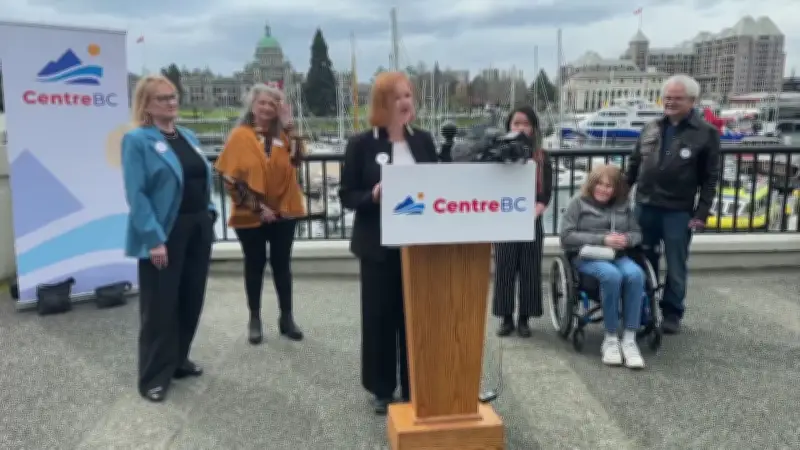
A newly formed political party in British Columbia has announced a dramatic increase in membership following the recent B.C. Conservative leadership vote. The party, which has not yet been named, reported that thousands of new members have joined in the days since the vote, reflecting a growing interest in alternative political options in the province.
Membership Spike Details
According to party officials, the surge represents a 300% increase in membership compared to the previous month. The spike is attributed to dissatisfaction with the results of the Conservative leadership race, which saw a contentious battle between candidates. Many new members cited a desire for a more centrist or progressive conservative platform as their reason for joining.
Political Landscape Shift
Political analysts suggest that this development could reshape B.C.'s political landscape. The new party aims to attract voters who feel disenfranchised by the current major parties, including the B.C. NDP and the B.C. Conservatives. The party's platform emphasizes fiscal responsibility, environmental sustainability, and social inclusivity.

“We are seeing an unprecedented level of engagement from British Columbians who want a fresh voice in provincial politics,” said a party spokesperson. “Our membership growth shows that people are ready for change.”
Conservative Leadership Aftermath
The B.C. Conservative leadership vote, held last week, resulted in a narrow victory for candidate John Rustad. However, the contest exposed deep divisions within the party, leading some members to seek alternatives. The new party has already begun recruiting candidates for the next provincial election, scheduled for 2028.
In related news, other recent developments in B.C. include a major reforestation plan unveiled by the provincial government as part of wildfire recovery efforts, and the restoration of a totem pole outside the Royal BC Museum.
Broader Context
The membership surge is part of a broader trend of political realignment in Canada. Similar movements have emerged in other provinces, such as the Alberta Prosperity Project, which recently refuted claims about separation costs. Nationally, the federal government is dealing with issues ranging from trade negotiations with the U.S. to infrastructure funding deals with Quebec.
As the new party gains momentum, it remains to be seen how it will impact the next provincial election. Political observers will be watching closely to see if this surge translates into electoral success.