Winnipeg Council to Review Proposed Bylaw Limiting Where Protesters Can Demonstrate
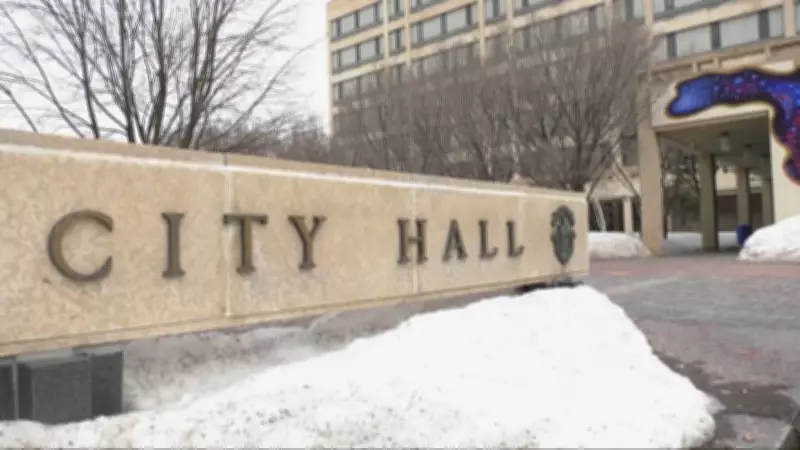
The City of Winnipeg is poised to examine a contentious new bylaw proposal that would impose restrictions on where protesters are permitted to demonstrate within municipal boundaries. This initiative, set for council review, aims to address growing concerns about public safety and order during rallies and gatherings, while simultaneously raising questions about the balance between security measures and the fundamental right to free expression.
Details of the Proposed Bylaw
The proposed legislation seeks to designate specific zones or areas where protests can legally occur, potentially limiting demonstrations near critical infrastructure, government buildings, or high-traffic commercial districts. Proponents argue that such measures are necessary to prevent disruptions to daily life, ensure emergency service access, and protect property from potential damage during large-scale events.
Opponents, however, contend that these restrictions could infringe upon constitutional freedoms and disproportionately affect marginalized groups who rely on public demonstrations to voice their concerns. The bylaw review process will likely involve extensive public consultation, legal analysis, and debate among council members about the appropriate scope of municipal authority in regulating public assemblies.

Broader Context and Implications
This development occurs within a national conversation about protest rights and public order management. Similar discussions have emerged in other Canadian municipalities facing challenges related to prolonged demonstrations, traffic disruptions, and community tensions. Winnipeg's approach could set a precedent for how urban centers across the country address the complex interplay between civic safety and democratic expression.
The council's review will consider various factors, including:
- Historical patterns of protest activity in Winnipeg
- Legal precedents regarding municipal jurisdiction over public spaces
- Input from community organizations and civil liberties advocates
- Practical enforcement considerations for city police and bylaw officers
- Potential economic impacts on businesses near protest sites
As the review process unfolds, stakeholders from across the political spectrum are expected to weigh in on what many see as a defining issue for urban governance in contemporary Canada. The outcome could significantly influence how municipalities balance their responsibility to maintain public order with their obligation to protect democratic rights.