Windsor's Winter Sidewalk Crisis Prompts Mayor's Call for Community Action
Windsor residents are facing significant challenges navigating snow-covered sidewalks this winter, with the city's 311 system receiving a flood of complaints about unshoveled pathways. Mayor Drew Dilkens has issued a strong appeal for community responsibility, emphasizing that some residents with accessibility issues are "literally trapped" when sidewalks remain impassable.
Overwhelming Complaints Highlight Systemic Problem
Following multiple snowfalls that have blanketed the region this winter, Windsor's 311 system has recorded more than 800 formal complaints about neglected sidewalks. The situation has become particularly problematic for individuals with mobility challenges who rely on clear pathways for daily movement.
"I get that this has been a particularly difficult winter with really cold weather, snow on and off. It's been challenging for a lot of folks to deal with," Mayor Dilkens told reporters following a city council meeting. "We just need to get through and help one another."

Enforcement Challenges and New Strategies
City officials acknowledge the enforcement difficulties presented by Windsor's current system. According to municipal bylaws:
- Property owners must clear snow and ice from adjacent sidewalks within 12 hours after snowfall
- Businesses face a stricter 4-hour requirement during daytime hours
- Failure to comply can result in fines up to $5,000
Craig Robertson, city manager of licensing and enforcement, explained the practical challenges: "There's a lot of sidewalk out there, and with the resources we have, we are doing the best we can. We have taken the time to do blitzes for sidewalks where we can, focusing on the main streets."
Robertson noted that multiple snowfalls create a recurring enforcement problem, as "the clock kind of turns back after each snowfall." The city has implemented a new tracking system this year, monitoring locations that have received previous notices about sidewalk clearing. When subsequent complaints arrive about the same location, officers can proceed with immediate enforcement without issuing additional orders.
Community Solutions and Financial Realities
Mayor Dilkens highlighted the financial constraints preventing municipal sidewalk clearing, noting it would cost the city approximately $6 million annually to provide this service—a burden some neighboring municipalities have assumed but Windsor currently cannot.
The mayor emphasized two key approaches to addressing the problem:
- Individual Responsibility: "Please be responsible. Help clean the sidewalks in front of your place."
- Community Support: Encouraging registration with the city's Snow Angels program, a volunteer initiative providing snow removal assistance for seniors and individuals with physical disabilities
"There are community supports to help. But we all have a responsibility," Dilkens stressed. "A lot of people use the sidewalks, including folks who have accessibility issues. Sometimes it's their only way through, and if they can't move on the sidewalk, they literally, in many ways, are trapped."
Accessibility Concerns Take Center Stage
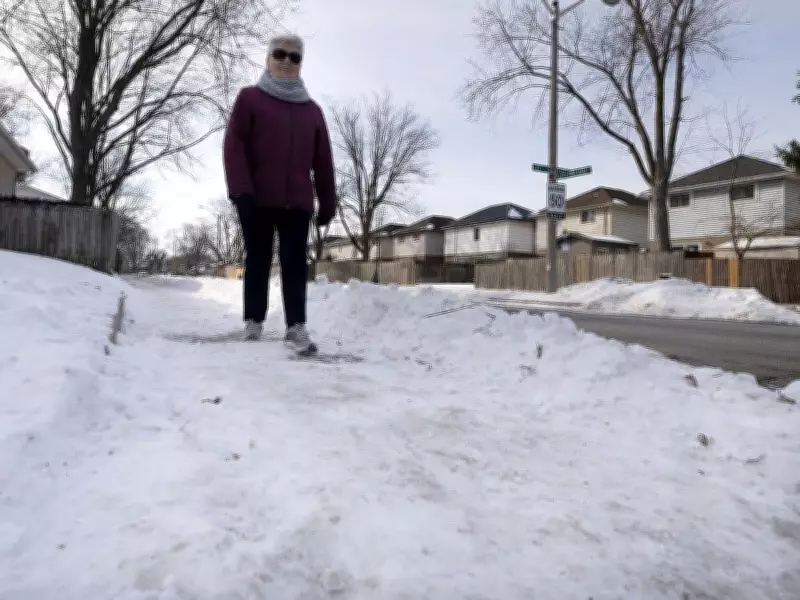
The situation has brought accessibility issues into sharp focus, with residents like Janina Krzywinski navigating treacherous, snow-covered pathways on streets such as Little River Acres Drive. For individuals with mobility challenges, unshoveled sidewalks represent more than inconvenience—they create genuine barriers to independence and safety.
Residents unable to clear their own sidewalks due to age, disability, or other limitations are encouraged to contact the city's 311 system to register for the Snow Angels program, connecting them with volunteers who can provide essential snow removal assistance.
As Windsor continues to grapple with winter weather challenges, the mayor's message remains clear: community cooperation and individual responsibility are essential for ensuring safe, accessible pathways for all residents during the challenging winter months.