







Canadian Armed Forces and Seneca Polytechnic Forge AI Training Partnership
CAF and Seneca Polytechnic Partner on AI Training Initiatives

Canadian Military and Academic Institution Launch AI Training Collaboration

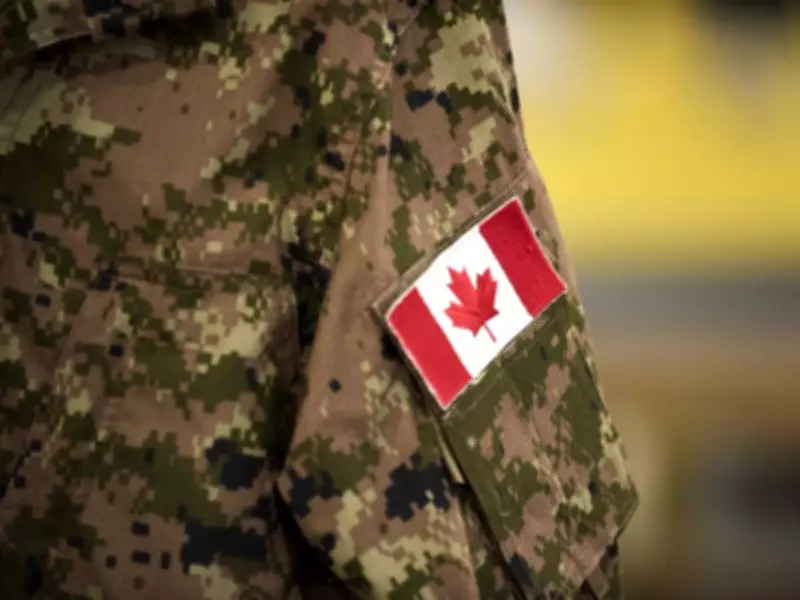
In a significant development for military education and technological advancement, the Canadian Armed Forces training group and Seneca Polytechnic have formalized a partnership focused on artificial intelligence integration. The memorandum of cooperation, signed at Canadian Forces Base Borden, establishes a framework for enhancing training methodologies through cutting-edge AI tools.

Strategic Partnership for Enhanced Military Training

The Military Personnel Generation Training Group (MPGTG) and Seneca Polytechnic will work collaboratively to expand training opportunities for Canadian Armed Forces members. This agreement will see Seneca's established AI-powered educational tools, currently utilized by students and faculty, integrated into various military training environments. The initiative aims to improve how both current personnel and future recruits receive instruction and develop essential skills.

Colonel Melissa Ramessar, Commander of CFB Borden and MPGTG, and David Agnew, President of Seneca Polytechnic, formalized the agreement during a signing ceremony at the military base. The event was attended by senior representatives from both organizations, including Chief Warrant Officer Jeremy Peters and Seneca's Vice-President of Academic, Michelle Hutt, along with Vice-President of Students and CIO, Radha Krishnan.

AI Tools to Transform Military Education

Seneca Polytechnic brings substantial expertise in artificial intelligence applications within postsecondary education to this partnership. The institution recently launched its first-ever master's degree program in Artificial Intelligence Design & Development and has expanded its collaboration with Microsoft to enhance learning innovation. These technological capabilities will now be adapted to support military training objectives.

"MPGTG plays a vital role in training and educating members of the CAF for frontline occupations," stated President David Agnew. "We are delighted to have a role in this essential work for our national security and sharing our expertise in AI to benefit members of the military and, by extension, all Canadians."

Preparing for Future Operational Demands

Prior to finalizing the agreement, MPGTG and CFB Borden leadership visited Seneca Polytechnic to witness AI tools in action. The visit included interactive demonstrations of several innovative technologies that will now be implemented within military training programs. These foundational tools are expected to support development initiatives and enhance preparedness for evolving operational requirements.

Major John Wyville, Head of Capability, Development, and Sustainment at the Canadian Forces Training Development Centre, emphasized the strategic importance of this collaboration. "This memorandum of cooperation strengthens MPGTG's ability to enhance our training as we prepare for significant growth in the years ahead," he explained. "Partnering with Seneca Polytechnic allows us to leverage leading academic and technological expertise to ensure our military personnel receive the most relevant, adaptive, and future-focused training possible."

Institutional Background and Future Implications

Seneca Polytechnic has established itself as a leader in applied education, combining academic rigor with practical, career-focused learning. The institution's expertise in artificial intelligence applications within educational contexts positions it uniquely to contribute to military training enhancement. This partnership represents a convergence of academic innovation and national defense priorities, potentially setting a precedent for future collaborations between educational institutions and military organizations.

The integration of AI tools into military training programs is expected to create more adaptive learning environments, personalized training experiences, and enhanced simulation capabilities. As operational demands continue to evolve in complexity, such technological partnerships may prove increasingly valuable for maintaining military readiness and effectiveness.