Windsor Advances Plan to Install Anti-Panhandling Signs at Key Intersections
The City of Windsor is moving forward with a municipal initiative to install signage aimed at discouraging panhandling activities at high-traffic intersections throughout the urban area. This decision follows a pilot program that was initially implemented in late 2025, which city officials have been monitoring for effectiveness and public response.
Background and Implementation Timeline
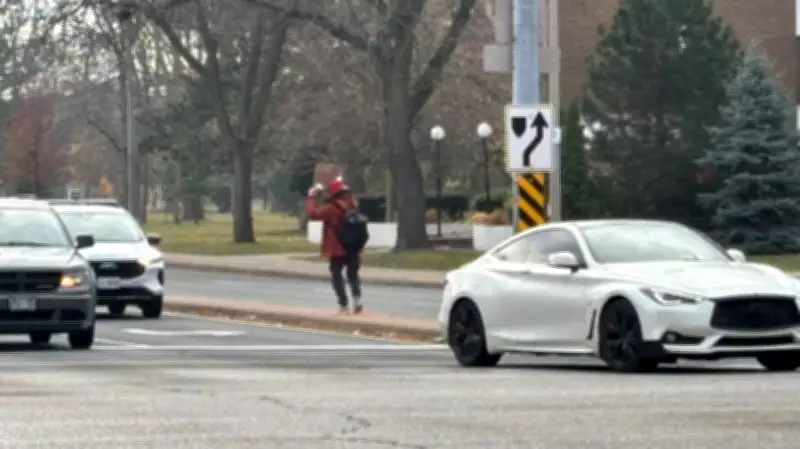
The program gained attention in November 2025 when Windsor began testing the approach at strategic locations, including the intersection of Tecumseh Road and Ouellette Avenue. Photographic evidence from that period showed individuals actively panhandling on medians at these busy crossroads, prompting municipal authorities to explore regulatory measures.
City representatives have indicated that the signage initiative is designed to address multiple concerns simultaneously. The primary objectives include improving traffic safety for both motorists and pedestrians, reducing potential distractions for drivers, and addressing community complaints about aggressive solicitation at key transportation corridors.

Municipal Rationale and Public Safety Considerations
Windsor officials emphasize that the program is not intended to criminalize poverty or homelessness, but rather to create safer conditions at intersections where panhandling has become particularly prevalent. The city has noted increasing reports from residents about safety hazards created when individuals enter roadways to solicit donations from stopped vehicles.
The signage strategy represents a middle-ground approach, seeking to discourage the practice without implementing more punitive measures that could further marginalize vulnerable populations. Municipal staff have been directed to work with social service agencies to ensure that appropriate support resources are available for those who might be affected by the initiative.
Community Response and Ongoing Evaluation
Public reaction to the anti-panhandling signs has been mixed, with some residents expressing support for improved traffic safety while others question the effectiveness and ethics of the approach. Community advocates have raised concerns about whether the signage might simply displace panhandling to other locations rather than addressing underlying social issues.
The city plans to continue evaluating the program's impact through several metrics:
- Traffic incident data at targeted intersections
- Complaint volumes from residents and businesses
- Observational studies of panhandling activity patterns
- Feedback from social service organizations
Municipal authorities have committed to reviewing the program's outcomes after an initial implementation period, with potential adjustments based on collected data and community input.
Broader Context of Municipal Approaches
Windsor's initiative reflects a growing trend among Canadian municipalities seeking to balance public safety concerns with compassionate approaches to urban poverty. Similar programs have been implemented in various forms across the country, with differing levels of success and controversy.
The city's approach focuses specifically on intersection safety rather than broader prohibitions on panhandling throughout the urban area. This targeted strategy allows Windsor to address what officials describe as the most dangerous manifestations of the practice while maintaining access to public spaces for all residents.
As the program moves from pilot testing to broader implementation, city staff will monitor compliance and community response, with regular reports expected to municipal council throughout 2026.