Ghanaians Rally Around Traditional Fugu Garments Following Presidential Mockery
In a powerful display of national pride and cultural solidarity, citizens across Ghana are increasingly adopting traditional fugu garments after their president faced international ridicule for wearing the outfit. This movement has transformed into a significant cultural revival, with local artisans and vendors experiencing a notable economic uplift as demand for these handmade textiles soars.
A Symbolic Response to Disrespect
The trend gained momentum following a viral incident where Ghana's president was mocked on a global stage for his choice of traditional attire. Rather than retreating from their heritage, Ghanaians have responded by proudly wearing fugu, a loose-fitting tunic and trousers ensemble made from handwoven cotton. This garment, deeply rooted in the northern regions of Ghana, symbolizes dignity, identity, and resistance against cultural erasure.
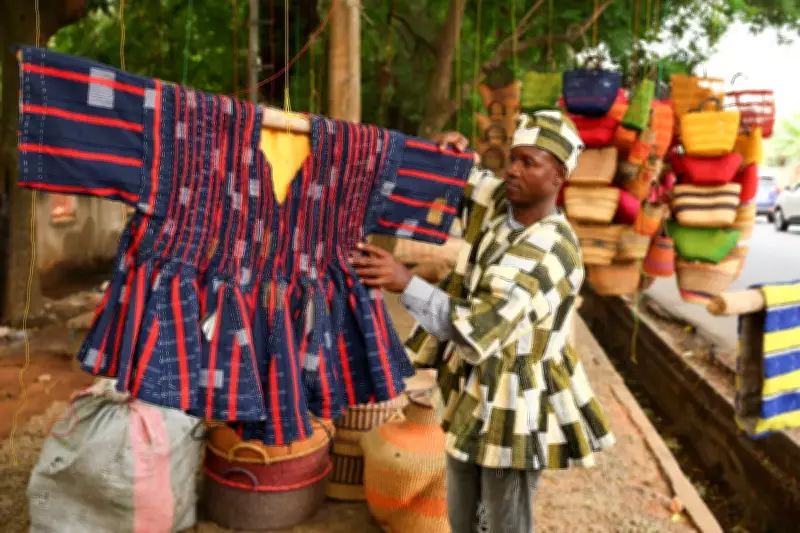
Clement Azaabire, a vendor in Accra, exemplifies this resurgence. He was recently photographed hanging multiple fugu garments under a tree for sale along a bustling street, highlighting the growing market. "Sales have doubled in the past month," Azaabire reported. "People want to show that our culture is not a joke. It's something to be celebrated and worn with honor."

Economic and Social Impacts
This cultural shift is driving tangible benefits for Ghana's economy:
- Artisan Empowerment: Weavers and tailors, often from rural communities, are seeing increased orders, providing a vital income source.
- Retail Growth: Street vendors and shops in urban centers like Accra report higher foot traffic and sales, with some items selling out quickly.
- Youth Engagement: Younger generations are embracing fugu, integrating it into modern fashion and social media trends, thus preserving traditions for the future.
Moreover, the movement has sparked conversations about cultural appropriation and respect on international platforms. Many Ghanaians argue that the mockery reflects a broader ignorance of African traditions, and their response serves as an educational moment. Social media campaigns with hashtags like #WearYourFugu have amplified the message, encouraging diaspora communities to participate.
Historical Context and Future Outlook
Fugu has historical significance, originally worn by the Gurma and Mole-Dagbon peoples for its practicality in hot climates and its role in ceremonies. Today, it's worn for weddings, festivals, and now, as a statement of pride. Experts note that this revival could lead to sustained interest in other traditional crafts, such as kente cloth and adinkra symbols, fostering a broader cultural renaissance.
Looking ahead, the Ghanaian government is considering initiatives to support this trend, including subsidies for local textile production and cultural education programs. As one Accra resident put it, "This isn't just about clothing; it's about reclaiming our story and showing the world that our heritage is valuable." With fugu sales thriving and national sentiment strong, Ghana's cultural landscape is experiencing a profound and positive transformation.