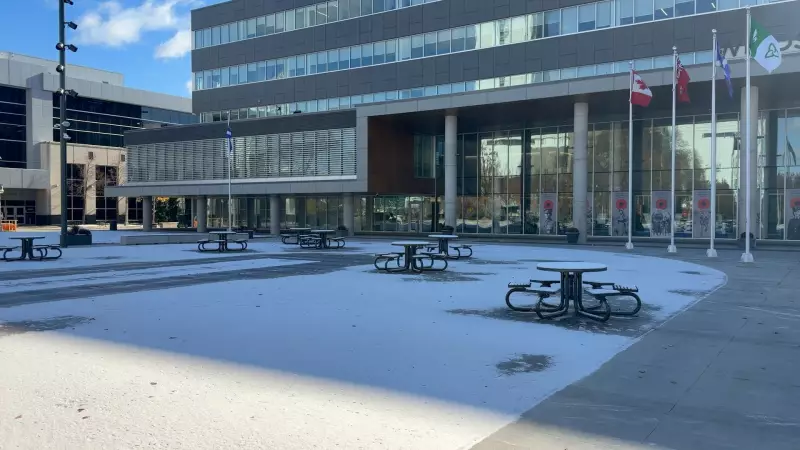
In a significant move for local taxpayers, a Windsor city councillor has voiced support for a proposed municipal budget with no tax increase, while simultaneously pushing for a more open and transparent financial process.
Councillor's Support with a Condition
Ward 1 Councillor has publicly announced his backing for the draft 2025 budget, which currently proposes a 0% increase in the municipal tax levy. The announcement, made on December 21, 2025, aligns with calls from residents for fiscal restraint, especially in the current economic climate. However, the councillor's endorsement is not without a critical stipulation.
While supporting the zero-percent framework, the representative is calling for enhanced transparency in how the city's finances are presented and debated. The councillor argues that for residents to fully understand and trust budgetary decisions, the process must be clearer and more accessible than it has been in the past.

The Call for Clearer Financial Details
The push for transparency centers on making complex budget documents and decision-making rationales more understandable to the public. The councillor suggests that without this clarity, even a 0% budget can leave citizens in the dark about potential service adjustments, long-term infrastructure plans, or reserve fund usage.
This stance highlights a growing expectation at the municipal level for governments to not only manage funds responsibly but also to communicate their financial stewardship openly. The demand is for detailed breakdowns that show where taxpayer money is being allocated and what trade-offs, if any, are being made to achieve a flat tax rate.
Implications for Windsor's Fiscal Future
The councillor's position creates an interesting dynamic for the upcoming budget deliberations at Windsor City Hall. It signals that support for the administration's proposed budget is contingent on meeting higher standards of public disclosure. This could influence other council members and shape the final debates before the budget is officially passed.
The outcome of this call for transparency could set a precedent for how future Windsor budgets are crafted and presented. A more open process would empower residents to engage more meaningfully with municipal spending priorities, potentially leading to greater public trust and participation in local governance.
As the city moves forward with its financial planning, all eyes will be on whether the administration responds to this call for greater openness while maintaining its commitment to a zero-percent tax increase for Windsor residents.