Iran-Israel Conflict Intensifies with Cross-Border Missile Attacks
In a significant escalation of hostilities, Iran and Iranian-backed militias fired missiles at Israel and Arab states on Monday, as Israel and the United States responded with airstrikes on Iranian targets. The conflict has expanded rapidly, with statements of defiance from Iranian officials and warnings of additional U.S. casualties.
Defiant Statements and Militia Actions
Amid the ongoing American and Israeli airstrikes, top Iranian security official Ali Larijani declared on social media platform X that "we will not negotiate with the United States." In Iraq, a pro-Iranian militia claimed responsibility for a drone attack targeting U.S. troops at Baghdad airport, following an earlier attack on a U.S. base in Irbil. Additionally, Cyprus reported a drone attack on a British base, indicating the conflict's broadening reach.
Military Strikes and Casualties
Israel and the U.S. bombed Iranian missile sites and naval targets, claiming to have destroyed the Iranian navy's headquarters and multiple warships. Iranian leaders reported that more than 200 people have been killed since the strikes began. The U.S. military detailed that B-2 stealth bombers struck Iran's ballistic missile facilities with 2,000-pound bombs, while President Donald Trump stated on social media that nine Iranian warships were sunk and the naval headquarters was "largely destroyed."

Hezbollah's Involvement and Regional Evacuations
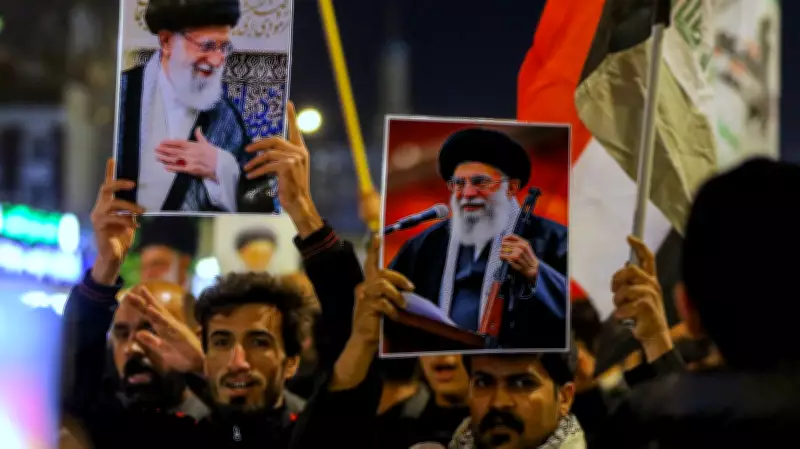
Hezbollah, the militant group based in Lebanon, announced it fired missiles into Israel early Monday in response to the killing of Iranian Supreme Leader Ali Khamenei and "repeated Israeli aggressions." This marked the group's first claimed attack in over a year. Israel intercepted one projectile, with several others landing in open areas, causing no reported injuries or damage. In retaliation, Israel struck Beirut and urged civilians in nearly 50 villages in eastern and southern Lebanon to evacuate, prompting widespread flight.
Background and International Reactions
The current counteroffensive by Iran, involving missile strikes at Israel and Arab states, follows a joint U.S.-Israeli attack on Saturday that killed Khamenei and many top Iranian officials. Gulf states have warned of potential retaliation against Iran after strikes hit key sites and killed at least five civilians. President Trump promised Washington would "avenge" the deaths of three American troops killed in Kuwait, noting, "Sadly, there will likely be more before it ends. That's the way it is."
Trump has urged Iranians to "take over" their government and indicated openness to dialogue with new leadership post-Khamenei, but in a video message on Sunday, he emphasized that combat operations continue "in full-force" until all objectives are achieved. The conflict has drawn international concern, with Britain, France, and Germany expressing readiness to work with the U.S. to halt Iran's attacks, and a group of Gulf Arab countries reserving the right to respond to Iranian strikes.
Historical Context and Regional Instability
This weekend's attacks represent the second combined U.S.-Israeli strikes against Iran in eight months. During a 12-day war last June, Israeli and American strikes significantly weakened Iran's air defenses, military leadership, and nuclear program. However, the killing of Khamenei, who ruled Iran for more than three decades, has created a leadership vacuum, heightening the risk of regional instability and further complicating the conflict's resolution.