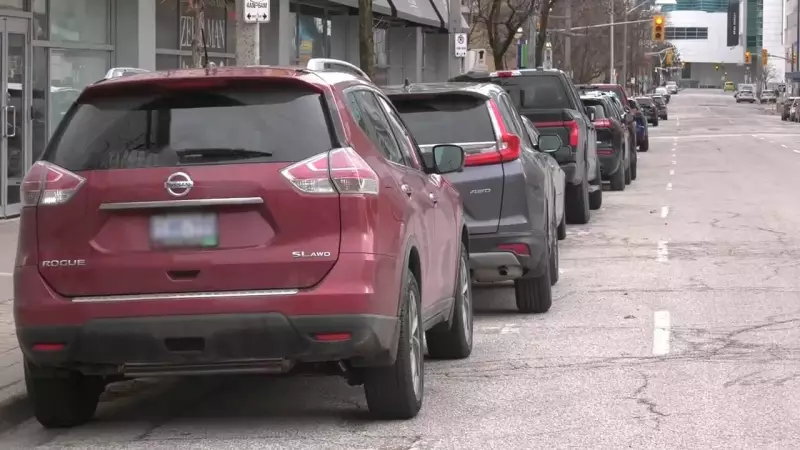
A Windsor city councillor is spearheading a proposal to overhaul downtown parking, advocating for a shorter paid parking timeframe and the introduction of angled parking spaces. The initiative aims to make the city core more accessible for visitors and shoppers.
Proposed Changes to Downtown Parking
The councillor's call to action focuses on two key modifications to the current system. First, they are pushing for a reduction in the hours during which paid parking is enforced. The second component of the proposal involves converting some traditional parallel parking spots into angled parking. This configuration is known to increase the number of available spaces and can make parking easier for drivers.
The rationale behind shortening the paid parking window is to encourage more people to visit downtown businesses, especially in the evenings and on weekends, by removing the cost barrier. Paid parking is currently a point of contention for some residents and business owners, who believe it deters potential customers.

Potential Impact on Accessibility and Business
If adopted, these changes could significantly alter the traffic flow and parking availability in Windsor's downtown core. Angled parking typically allows for more vehicles to park along a given stretch of curb compared to parallel parking. This could alleviate some of the congestion and frustration drivers often experience when searching for a spot.
Business advocates have frequently cited parking availability and cost as critical factors influencing downtown vitality. Easing parking restrictions is seen as a direct way to support local commerce and make the area a more attractive destination. The proposal comes as many city centres across Canada are re-evaluating urban design and transportation policies to boost foot traffic.
Next Steps and Community Input
The proposal will require review and debate by Windsor's city council. It will likely involve consultations with city planners, traffic engineers, and the public to assess the feasibility and potential side effects of such changes. Key considerations will include the impact on traffic patterns, safety implications of angled parking, and the financial effect on municipal revenue from parking fees.
This move highlights an ongoing effort by municipal leaders to adapt urban infrastructure to the needs of residents and the economic realities facing downtown districts. The outcome of this proposal could set a precedent for other similar-sized cities in Ontario grappling with balancing revenue generation with community accessibility and economic support.