Montreal Borough Reinstates Weekly Summer Garbage Pickup After Resident Backlash
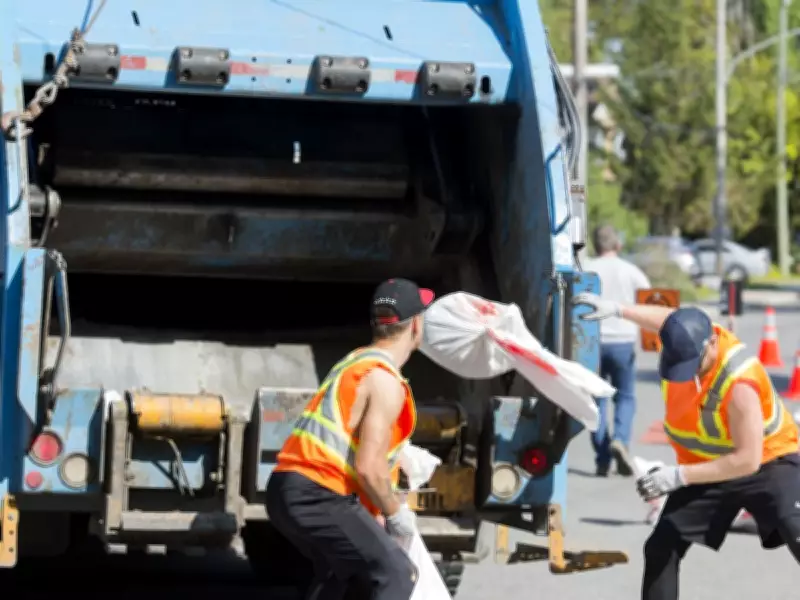
Following significant public pressure and numerous complaints, the Mercier—Hochelaga-Maisonneuve borough in Montreal has officially reinstated weekly garbage pickup during the summer months. The decision comes after residents raised serious concerns about accumulating trash, rat infestations, and foul odors that became particularly problematic during hotter weather periods.
Resident Concerns Prompt Policy Reversal
Montreal's executive committee confirmed the change at its weekly meeting on Wednesday, marking a significant reversal from the previous biweekly collection system. Borough mayor Chantal Gagnon emphasized the importance of this decision during the meeting, stating, "Today, we are taking a simple yet fundamental step. We are restoring a basic service that residents need."
The move to biweekly garbage collection had been implemented under the previous Projet Montréal administration, beginning with a pilot project in 2022 before expanding borough-wide two years later. This change was part of Montreal's larger environmental goal of becoming a zero-waste city by 2030, aiming to reduce landfill waste and decrease the number of heavy trucks on city streets.

Summer-Specific Solution
The borough has specifically chosen to reinstate weekly pickup only during the summer months rather than year-round because that's when the problems are most exacerbated. Garbage pickup will now occur weekly between May 1 and October 31, with biweekly collection continuing during the rest of the year.
Residents in the borough's more densely populated areas had quickly pushed back against the biweekly system, organizing protests and even calling for the former borough mayor to resign over the issue. The controversy became a significant topic during last fall's municipal election campaign, with both major political parties eventually promising to reinstate weekly collection.
Balancing Environmental Goals with Practical Needs
Gagnon stressed that the change doesn't mean abandoning efforts to promote proper waste sorting and reduction, but added that environmental initiatives "must not come at the expense of the cleanliness of our neighbourhoods and our residents' quality of life." She further noted, "A city where trash piles up in the streets and where foul odours linger due to insufficient collection is a city where service to residents has failed."
A city-commissioned poll had previously found that 54 percent of residents considered biweekly garbage collection unacceptable, highlighting the depth of public dissatisfaction with the previous system.
Broader Waste Management Context
The decision comes as other Canadian cities continue to implement biweekly collection systems. Gatineau, Longueuil, and Toronto have already adopted biweekly pickup, while Laval has announced it will make the switch this spring. Within Montreal itself, the St-Laurent borough began moving to biweekly pickup in 2015, and Verdun is currently running a pilot project in one sector.
According to city data, 85 percent of materials that end up in landfills are not actually waste and could have been properly sorted. Provincial statistics show that the average trash bag in Quebec consists of 46 percent organic waste and 22 percent recyclables, indicating significant room for improvement in waste management practices.
In a related development this week, Montreal also announced it is cancelling a pilot project that would have removed garbage bins from La Fontaine Park in favor of large recycling bins near its entrances. That project had similarly aimed to improve waste management practices in public spaces.
The borough's decision represents a careful balancing act between environmental sustainability goals and the practical needs of residents, particularly during the challenging summer months when waste-related problems become most acute.