Waterloo Neighborhoods Grapple With St. Patrick's Day Party Fallout
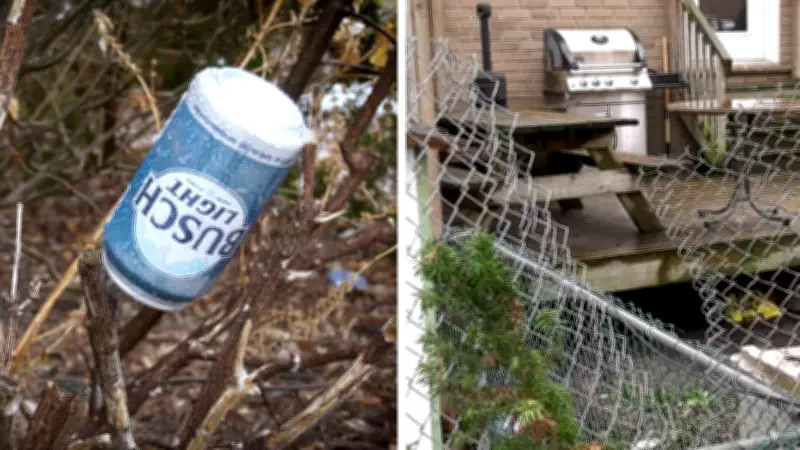
Residents in Waterloo are expressing significant frustration and disappointment following chaotic St. Patrick's Day street parties that left behind substantial mess and property damage throughout local neighborhoods. The weekend celebrations preceding the actual holiday in 2026 resulted in numerous complaints from community members who discovered urine, broken fences, and discarded beer cans littering their properties and public spaces.
Visible Evidence of Party Aftermath
Photographic evidence captured by CTV News journalist Spencer Turcotte reveals the extent of the post-party debris. Images show empty beer cans scattered across lawns and sidewalks, alongside damaged fencing that appears to have been broken during the festivities. Residents reported finding additional waste including plastic cups, food containers, and other party-related items throughout their community.
"It's disrespectful and creates unnecessary work for homeowners," said one Waterloo resident who requested anonymity. "We shouldn't have to clean up after people who don't respect our neighborhood."

Community Response and Cleanup Efforts
Local authorities have acknowledged the complaints and are working with community organizations to address the cleanup needs. While St. Patrick's Day celebrations are a longstanding tradition in many Canadian communities, the scale of this year's aftermath has prompted discussions about better event management and neighborhood protection measures.
"We understand people want to celebrate, but there needs to be respect for property and public spaces," commented a municipal representative. "We're reviewing what additional measures might help prevent similar situations in future years."
Broader Context of Community Events
The incident highlights ongoing challenges municipalities face when balancing cultural celebrations with neighborhood preservation. Similar issues have emerged in other Canadian cities during major holidays and events, prompting debates about appropriate celebration boundaries, enforcement resources, and community responsibility.
Waterloo residents have organized informal cleanup initiatives to address the immediate mess, while community leaders are discussing longer-term solutions to prevent repeat occurrences during future celebrations. The situation has sparked conversations about party culture, public behavior expectations, and the shared responsibility for maintaining community spaces during popular events.