Waterloo Police Board Faces Intense Questioning Over Pre-St. Patrick's Day Party Oversight
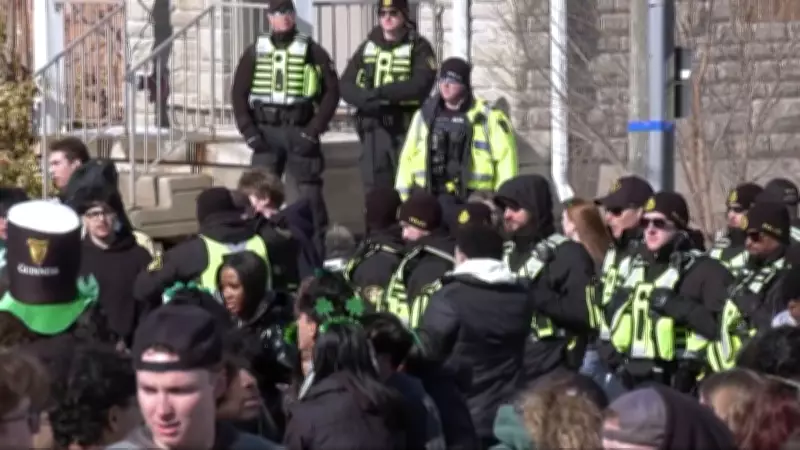
The Waterloo Regional Police Service Board is confronting pointed inquiries from the public and local officials regarding its handling of a pre-St. Patrick's Day party in Waterloo. The event, which took place on March 14, 2026, saw a significant police presence, with officers actively monitoring the festivities. This has sparked a broader debate about law enforcement strategies during large-scale public gatherings and the allocation of police resources.
Community Concerns and Operational Scrutiny
Residents and community leaders have expressed unease over the extent of police monitoring at the celebration. Questions are being raised about whether the operational approach was proportionate to the event's scale and whether it aligns with community policing values. Some critics argue that such heavy surveillance could strain police-community relations, particularly among younger demographics who frequently participate in these types of gatherings.
In response, board members have emphasized that the deployment was a precautionary measure aimed at ensuring public safety and preventing potential incidents. "Our primary goal is always the safety and security of all residents," stated a board representative during a recent meeting. "We continuously assess and adjust our strategies based on real-time intelligence and past experiences with similar events."

Broader Implications for Police Policy
This incident has ignited discussions about the Waterloo Regional Police Service's broader policies regarding event management and crowd control. Key points under examination include:
- The criteria used to determine the level of police presence at public events.
- The balance between proactive monitoring and community trust-building.
- The transparency of communication between the police board and the public regarding operational decisions.
Additionally, there are calls for a review of the protocols governing police interactions during festive occasions to ensure they are both effective and respectful of civil liberties. The board has acknowledged these concerns and indicated a willingness to engage in further dialogue with stakeholders.
Looking Ahead: Potential Reforms and Community Engagement
As the debate continues, the Waterloo Regional Police Service Board is expected to face ongoing pressure to clarify its stance and potentially revise its approach. Community forums and public consultations are being proposed as avenues for gathering input and fostering mutual understanding. The outcome of these discussions could influence policing strategies not only in Waterloo but also in other municipalities grappling with similar challenges.
Ultimately, this situation underscores the delicate balance law enforcement agencies must strike between ensuring public safety and maintaining positive community relations. The Waterloo Regional Police Service Board's handling of these questions will likely set a precedent for how such issues are addressed in the future.