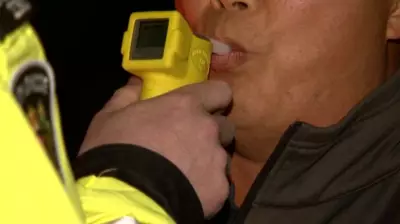
A series of enforcement actions targeting Vancouver's nightlife venues has sparked a heated debate between city officials and independent operators. While the city insists the scrutiny is a necessary safety measure ahead of major events like the 2026 FIFA World Cup, some venue owners describe the inspections as heavy-handed and disruptive.
The December Enforcement Blitz
The most recent coordinated sweep occurred on December 13. Vancouver Fire Rescue Services and Vancouver Police, alongside inspectors from the provincial liquor and cannabis regulation branch, visited six venues. The result was eight tickets issued for operating unsafely or contravening local bylaws and regulations.
In a joint statement, the city and fire services confirmed the inspections focused on venues flagged for potential life-safety hazards. These included risks like overcrowding, blocked emergency exits, and operations running without proper municipal approval. The statement noted venues were selected "primarily based on public complaints" but declined to name the businesses involved, citing privacy.

A 'Raid' on Queer Nightlife Space
Among the venues inspected was Birdhouse, a queer performing arts and nightlife space in Mount Pleasant. Co-owner Ryn Broz said the experience felt markedly different from previous routine inspections. "This was different. It felt like a raid," Broz stated.
Broz described a scene where eight officials, including four police officers, moved through the venue during a queer women's night, shining flashlights and filming the dance floor. "We had guests leave because of it," she reported. The owners emphasized their ongoing efforts to collaborate with the city on safety, including maintaining a fire alarm, sprinkler system, clear exits, and adhering to a 400-person capacity.
Tickets and Fines Issued
During the inspection, Birdhouse received two municipal tickets for fire bylaw violations, with fines totalling over $1,000. One was for an emergency exit locked with a digital code. The second, for a missing ceiling panel in a staff area damaged by water, was later revoked by a fire official, according to co-owner Paige Frewer.
City officials confirmed that of the six venues visited, three were cited for operating without a municipal business licence. The other three were ticketed for failing to meet either business licence or specific fire safety requirements.
Clashing Perspectives on Safety and Enforcement
The city defends its actions as proactive risk management. Officials pointed to the need to ensure public safety ahead of the influx of visitors for the 2026 FIFA World Cup and referenced the tragic New Year's Eve bar fire in Switzerland that killed 40 people as a stark reminder of the stakes.
However, independent operators like those at Birdhouse question the timing and tone. They argue that the aggressive enforcement exposes a deeper disconnect between the city and its cultural venues. Broz expressed frustration, asking, "What all of a sudden has changed? We have always strived to work alongside the city in making our events as safe as possible."
The incident highlights the tension between regulatory oversight and the survival of independent cultural spaces, setting the stage for continued dialogue as Vancouver prepares for its global spotlight in 2026.