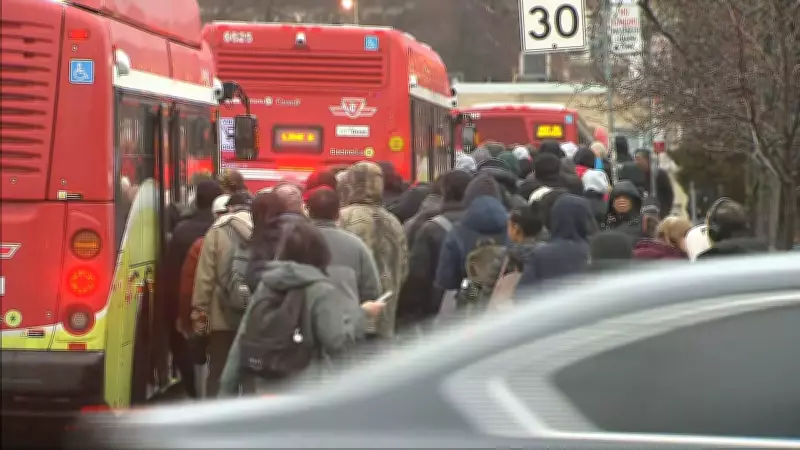
TTC Delays 'Cannot Become the New Normal,' Matlow Declares in Urgent Motion
Toronto City Councillor Josh Matlow has filed an urgent motion at City Hall, calling for immediate action to address persistent service disruptions on the Toronto Transit Commission (TTC) network. This move comes after yet another hydraulic fluid spill halted service on Line 2 (Bloor-Danforth) during the Friday morning rush hour, causing significant commuter delays and frustration across the city.
A Recurring Problem Demands Solutions
The incident on April 16, 2026, is not an isolated event but part of a troubling pattern of mechanical failures and infrastructure issues plaguing the TTC. Councillor Matlow's motion explicitly states that such frequent delays "cannot become the new normal" for Toronto's residents, who rely heavily on public transit for their daily commutes, work, and essential travel.
The motion urges the TTC and city officials to conduct a comprehensive review of maintenance protocols, aging infrastructure, and response plans for similar incidents. It emphasizes the need for transparent reporting on the causes of these disruptions and the implementation of robust, long-term solutions to improve system reliability.

Impact on Commuters and the City
Service halts, like the one caused by the hydraulic spill, create ripple effects throughout Toronto's transportation network. They lead to overcrowded alternative routes, increased travel times, and economic impacts as workers and businesses face unpredictability. The motion highlights the broader consequences for the city's productivity, environmental goals, and quality of life when its primary transit system is unreliable.
"Every delay represents a broken promise to the people of Toronto," Matlow's motion asserts, framing the issue as one of fundamental service delivery and civic responsibility.
Next Steps and Broader Context
The urgent motion will be debated in the coming council session, where it is expected to garner support from other councillors and transit advocates. It calls for a staff report with actionable recommendations within a specified timeframe, pushing the issue to the forefront of municipal priorities.
This development occurs amidst ongoing discussions about transit funding, infrastructure investment, and the TTC's long-term modernization plans. The repeated disruptions underscore the challenges of maintaining an aging system while meeting growing demand in a major metropolitan area.
As Toronto continues to grow, the reliability of its public transit is not just a convenience but a critical component of urban sustainability and equity. Councillor Matlow's motion serves as a stark reminder that systemic issues require systemic solutions, and the time for action is now.