Toronto Residents Share Frustrations Over City's Most Notorious Potholes
In a recent informal survey conducted by local journalists, Torontonians were asked to identify and comment on the worst potholes plaguing the city's streets. The responses highlighted widespread concerns about road safety, vehicle damage, and the overall state of urban infrastructure.
Etobicoke Intersection Tops the List
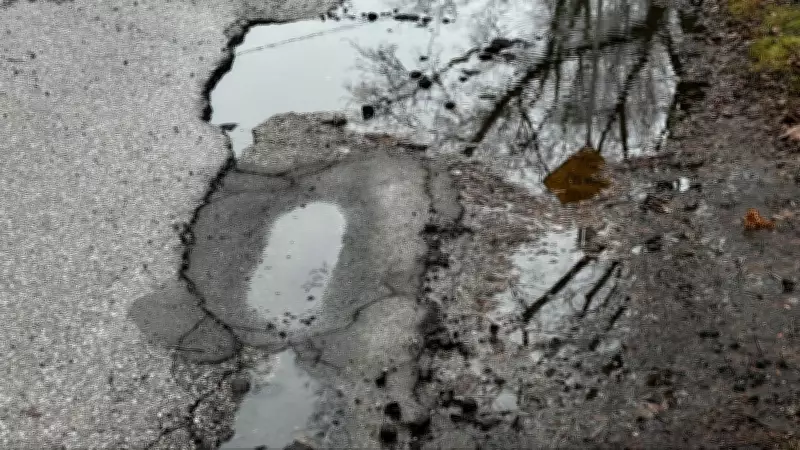
One particularly notorious pothole, located at the intersection of Sunnylea Avenue East and Prince Edward Drive South in Etobicoke, emerged as a frequent point of contention. Residents described this spot as a persistent hazard that has caused numerous incidents of tire damage and suspension issues for drivers navigating the area.
"It's like driving through a minefield every morning," said one commuter who regularly travels through the intersection. "I've had to replace two tires this winter alone because of that crater."

Safety Concerns and Financial Burden
Beyond the Etobicoke location, respondents pointed to potholes in various neighborhoods across Toronto, from downtown core streets to suburban thoroughfares. Many expressed frustration over what they perceive as slow response times from municipal maintenance crews.
The financial impact on vehicle owners has been significant, with repair costs ranging from minor wheel alignments to complete suspension overhauls. Some residents reported spending hundreds of dollars addressing damage directly attributable to poorly maintained road surfaces.
Seasonal Challenges Exacerbate Problems
Toronto's harsh winter weather, with its freeze-thaw cycles, creates ideal conditions for pothole formation. As temperatures fluctuate, water seeps into pavement cracks, freezes and expands, then thaws—repeating a destructive process that weakens road surfaces.
This seasonal pattern means that even recently repaired sections of road can quickly develop new potholes, creating a continuous maintenance challenge for city crews.
Municipal Response and Future Outlook
While the City of Toronto maintains an extensive pothole repair program, residents questioned whether current efforts are sufficient given the scale of the problem. Some suggested that more proactive pavement management and higher-quality repair materials could provide longer-lasting solutions.
The public feedback comes as Toronto continues to grapple with balancing infrastructure maintenance against other municipal priorities. As one resident summarized: "We pay our taxes expecting safe roads. These potholes aren't just inconveniences—they're genuine safety hazards that need proper attention."