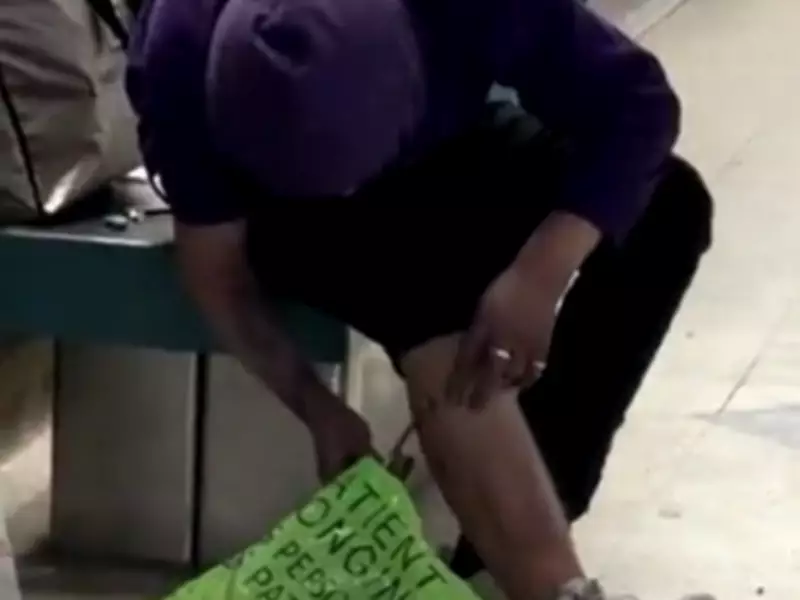
In a bold move to confront escalating public safety concerns, Toronto Councillor Brad Bradford has introduced a comprehensive motion targeting rampant drug use and violence on the city's transit system. The proposal, unveiled on Monday, March 23, 2026, calls for a significant overhaul of security measures across the Toronto Transit Commission (TTC) network.
Immediate Health Risks from Public Drug Consumption
The urgency of Bradford's initiative is underscored by alarming health risks posed by open drug consumption on TTC vehicles and platforms. Experts warn that substances like crack cocaine, crystal meth, and particularly fentanyl—often mixed into these drugs—can pose catastrophic risks to bystanders. Inhalation or skin contact with these potent narcotics, especially fentanyl, which has caused overdoses among first responders, can lead to severe health consequences or even fatalities, including for children accompanying their parents on transit.
A Climate of Fear and Vulnerability
Recent incidents, including stabbings and visible drug use, have fostered a pervasive sense of insecurity among TTC riders. Councillor Bradford highlighted that many residents, including parents, shift workers, and seniors, are altering their routines or avoiding transit altogether due to safety fears. "Parents say they will not let their kids ride alone," Bradford stated, emphasizing that current approaches are failing to reassure the public.

The situation has reached a point where, as described in recent reports, individuals openly smoking crack or brandishing weapons effectively control the environment on buses, streetcars, and subways. This creates a dynamic where law-abiding citizens feel powerless, fearing retaliation or legal repercussions if they intervene, while authorities often prioritize leniency and support services for offenders.
Three-Pronged Safety Proposal
Bradford's motion outlines three key objectives to restore order and safety on the TTC:
- Police Presence: Stationing police officers at every TTC subway station to provide a visible deterrent and rapid response capability.
- Enhanced Station Conditions: Establishing clear standards for cleanliness and lighting to ensure stations are consistently maintained, bright, and welcoming, which Bradford asserts directly influences safety perceptions and behavior.
- Physical Safety Barriers: Accelerating the installation of platform edge doors, starting with high-priority stations, to prevent accidents and add a protective layer between passengers and train tracks.
"Cleanliness and lighting are not cosmetic. They are safety," Bradford explained outside St. Patrick Station. "When stations are dark, dirty, and neglected, it tells people nobody’s in charge. When stations are clean, bright, and staffed with the right personnel, it changes behavior and how people feel."
TTC's Response and Existing Protocols
TTC spokesperson Stuart Green addressed the concerns, noting that the system moves hundreds of millions of trips annually without incident, but acknowledged the seriousness of recent events. Green advised passengers facing imminent threats, such as drug use or weapons, to activate the emergency yellow strip to halt the train at the next station, allowing TTC personnel to assess and resolve the situation.
Green also highlighted the TTC's ongoing investments in safety and security initiatives, totaling tens of millions of dollars, and reaffirmed that employee and customer safety remains the paramount concern. However, critics argue that these measures have not sufficiently curbed the visible drug epidemic and associated violence.
Political and Social Implications
Bradford's motion arrives as he considers a mayoral run, lending political weight to his proposals. The debate touches on broader issues of public resource allocation, with some questioning whether funds directed toward events like the World Cup or international trips could be better spent on transit safety. Moreover, the motion challenges prevailing approaches to drug addiction, which often emphasize harm reduction and support services over enforcement.

Bradford's stance signals a shift toward prioritizing the safety of the general public, arguing that the current tolerance for public drug use and disorder has eroded trust in the transit system. "Toronto cannot keep treating that as acceptable, or pretending that more announcements are the same thing as real results," he asserted, calling for tangible actions to reclaim TTC spaces for all residents.
As Toronto grapples with this complex issue, the outcome of Bradford's motion could set a precedent for how cities balance compassion for vulnerable individuals with the imperative to ensure safe, accessible public transit for everyone.