Timmins Report Proposes Three Temporary Sites for Homeless Encampment
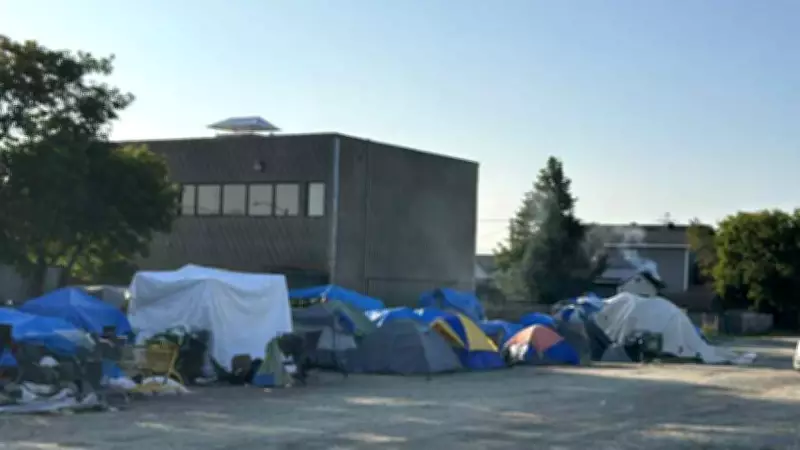
A newly released report has identified three potential locations in Timmins, Ontario, for establishing a temporary homeless encampment. This recommendation comes as the city grapples with a significant and growing encampment on Spruce Street South, a residential area situated near Living Space, a low-barrier shelter designed to serve homeless individuals.
Addressing a Growing Crisis
The encampment on Spruce Street South has expanded considerably, highlighting urgent housing needs within the community. The proximity to Living Space underscores the complex challenges faced by local service providers and residents alike. The report aims to provide a structured, temporary solution to manage this situation while longer-term housing strategies are developed.
Report Recommendations and Community Impact
The specific sites proposed in the report have not been publicly named in the initial coverage, but the recommendation signals a proactive step by local authorities. Establishing designated temporary encampments can help centralize services, improve safety measures, and reduce the ad-hoc nature of current settlements. This approach is intended to balance the immediate shelter needs of homeless populations with community concerns in residential neighborhoods.

Community stakeholders, including residents, business owners, and social service agencies, will likely be involved in further discussions regarding the implementation of these proposed sites. The report emphasizes the temporary nature of the solution, positioning it as a stopgap measure amidst broader provincial and municipal efforts to combat homelessness.
Broader Context and Next Steps
This development in Timmins reflects a wider issue across many Northern Ontario communities, where housing affordability and availability remain critical concerns. The report's findings are expected to inform municipal policy decisions and potentially serve as a model for other regions facing similar encampment challenges.
Local officials will need to evaluate the feasibility of the proposed sites, considering factors such as infrastructure, access to utilities, and integration with existing support services. Public consultation and environmental assessments may follow as part of the planning process.
The recommendation marks a pivotal moment in Timmins's approach to homelessness, shifting from reactive measures to a more organized, albeit temporary, strategy. It underscores the ongoing need for collaborative solutions involving all levels of government and community partners to address the root causes of housing insecurity.