Bars and pubs in Toronto will be permitted to host gatherings of soccer fans for upcoming FIFA World Cup matches, according to recent city guidance. However, municipal bylaw officers are set to actively monitor these establishments to ensure they do not use any official FIFA World Cup branding or trademarks in their promotions or decorations.
Rules for Hosting Fans Without Infringing Rights
The clarification comes as businesses prepare for the influx of patrons wanting to watch the global tournament. Establishments can show the matches and advertise that they are a viewing destination. The critical restriction is on the use of logos, the phrase "FIFA World Cup," and other protected intellectual property owned by FIFA without a licensing agreement. This enforcement is intended to protect the strict commercial rights held by the international soccer governing body, which controls all official branding related to the event.
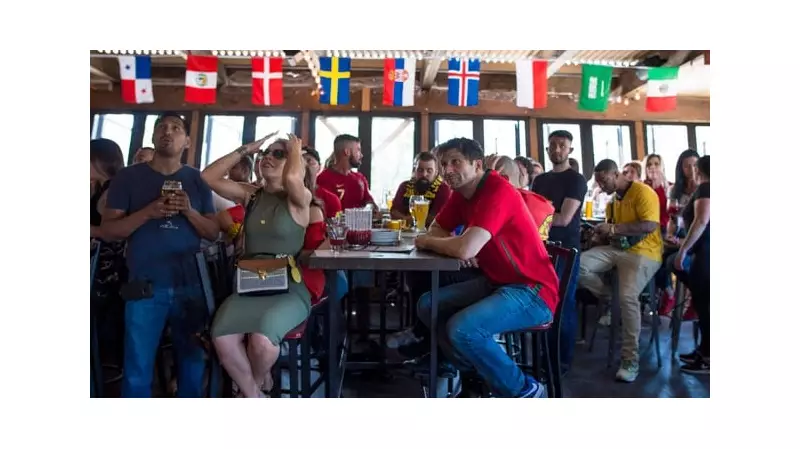
This situation is not new for the city. A similar scenario played out during the 2018 tournament, as evidenced by fans watching a Spain versus Portugal match at the Viovoli Bar in Toronto on June 15, 2018. The scene captured by The Canadian Press showed a packed venue enjoying the game, a sight expected to repeat, albeit under the watchful eye of compliance officers this time.

Enforcement and Implications for Businesses
Bylaw officers will be responsible for checking that venues comply with the branding rules. Establishments found using unauthorized FIFA marks could face fines or other penalties. The move aims to strike a balance between allowing community gathering spots to benefit from the event's popularity and respecting international copyright and trademark laws.
For bar and restaurant owners, the message is clear: you can capitalize on the soccer fever by providing a place to watch, but you must avoid crossing the line into unauthorized commercial use of the World Cup name and imagery. Promotions must be generic, focusing on "soccer" or "football" viewing parties rather than directly referencing the FIFA-sanctioned event.
A Precedent for Major Sporting Events
This approach is common in major cities worldwide during large sporting events like the World Cup or the Olympics. The organizing bodies aggressively protect their sponsorship and licensing deals, which are major revenue sources. Local businesses, while eager to participate in the atmosphere, must navigate these legal boundaries carefully.
The enforcement plan ensures that Toronto residents and visitors will have plenty of venues to enjoy the matches communally, while the city avoids potential legal disputes with one of the world's most powerful sports organizations. Fans can expect a vibrant viewing culture across the city's bars, just without the official tournament logos adorning every window.