Canadian Military Withholds F-35 Signing Photo Amid Political Concerns
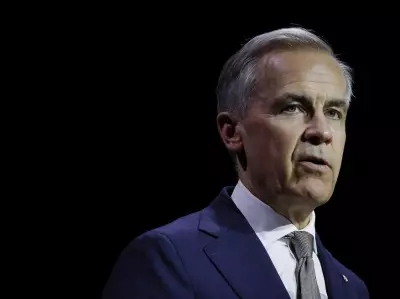
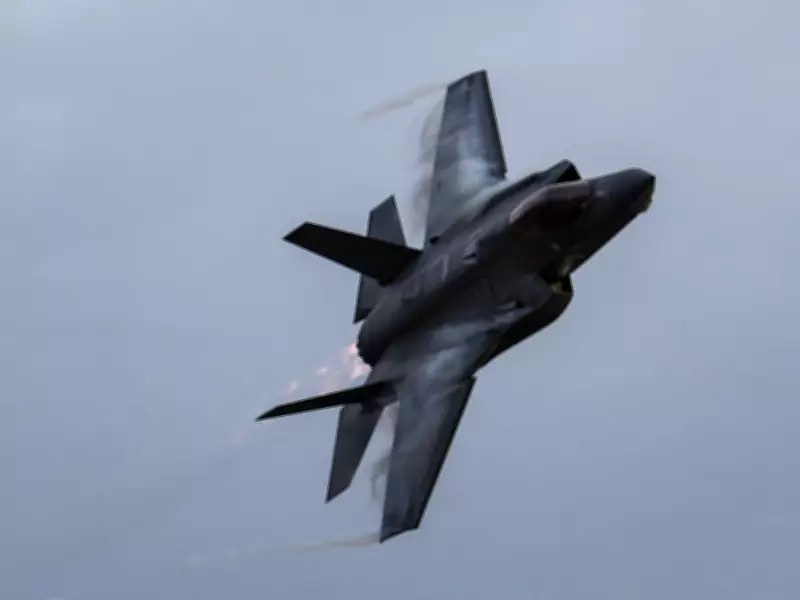
The Royal Canadian Air Force has sparked controversy by refusing to release a photograph showing its top commander signing the fuselage of Canada's first F-35 fighter jet. Military sources indicate the decision stems from concerns that the image could undermine Prime Minister Mark Carney's public messaging regarding the ongoing review of Canada's F-35 acquisition program.
Closed-Door Ceremony in Texas
RCAF Lieutenant-General Jamie Speiser-Blanchet traveled to Lockheed Martin's Fort Worth, Texas facility on February 2 for what would normally be a celebratory production milestone ceremony. During the event, Speiser-Blanchet signed the fuselage bulkhead that will be installed on Canada's initial F-35 aircraft. However, unlike similar ceremonies conducted by other nations purchasing the advanced fighter jets, this event was designated as closed-door with strict media restrictions.
The Ottawa Citizen submitted a formal request for the photograph on February 2, but both the Department of National Defence and the Royal Canadian Air Force have declined to release the image. Lockheed Martin Canada, which took the photograph as part of its agreement with the RCAF, also refused to provide the image, directing inquiries back to Canadian military public affairs officials.

Political Sensitivities Behind the Decision
Government sources familiar with the matter reveal that military officials were specifically concerned that releasing the celebratory signing photograph would contradict Prime Minister Carney's consistent message that Canada's F-35 purchase remains under active review. These sources, who spoke on condition of anonymity as they were not authorized to discuss the matter publicly, indicated the military wanted to avoid any visual representation that might suggest the deal was proceeding without question.
This political sensitivity comes amid ongoing tensions between Canada and the United States, particularly following former President Donald Trump's threats against Canadian sovereignty and economic stability. Carney ordered a comprehensive review of the F-35 purchase in March 2025 in response to these geopolitical developments, despite the RCAF's recommendation to proceed with the full order of 88 aircraft.
Contrasting Public Positions
The situation highlights the contrasting positions within the Canadian government regarding the F-35 acquisition. While the Royal Canadian Air Force has formally recommended proceeding with the complete order of 88 fighter jets, the federal government has publicly committed to purchasing only 16 aircraft at this stage. The Liberal government initially announced a $19 billion plan to acquire 88 F-35s in January 2023, but that commitment has since been qualified by the ongoing review process.
Department of National Defence spokesperson Kened Sadiku confirmed the Fort Worth event was a closed-door ceremony attended by Speiser-Blanchet, Crista-Lynn Ferguson (director general of fighter capability), and Colonel Daniel Constable (director of fighter capability transition). However, no explanation was provided regarding why the event was kept so low-key or why the photograph continues to be withheld from public release.
Broader Implications for Transparency
The military's refusal to release what would normally be routine publicity material raises questions about transparency in defense procurement processes. Photographs of similar F-35 fuselage signing ceremonies have been freely released by officials from other nations purchasing the advanced fighter jets, making Canada's position particularly notable.
This incident occurs against a backdrop of increasing scrutiny of Canada's defense spending and procurement strategies, with recent discussions suggesting that increased defense budgets could potentially allow Canada to purchase more than the originally planned 88 fighter jets. However, the current political climate and ongoing review process have created an environment where even symbolic gestures like fuselage signings have become politically charged events requiring careful management of public perception.