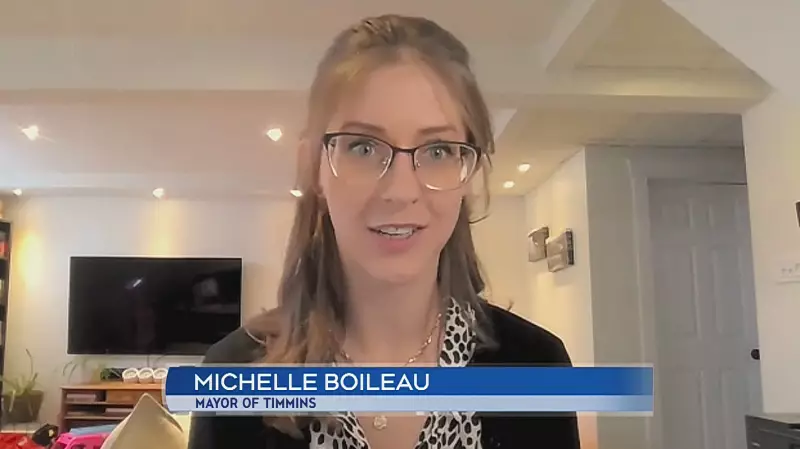
Timmins Mayor Michelle Boileau has taken decisive action on the city's proposed financial plan for the coming year. On Monday, January 12, 2026, the mayor announced she would be vetoing two specific items within the draft 2026 budget. This move marks a significant use of the authority granted to her under the province's Strong Mayor powers.
The Exercise of Strong Mayor Authority
The veto represents a concrete application of the provincial legislation designed to empower municipal leaders. Mayor Boileau's decision to intervene directly in the budget process highlights the substantial influence these powers can confer on a city's chief magistrate. While the specific items targeted by the veto were not detailed in the initial announcement, the action itself underscores a shift in how municipal governance can operate under this framework.
The Strong Mayor powers, implemented by the Ontario government, are intended to help mayors drive provincial priorities, such as housing construction, and to streamline decision-making at the local level. Mayor Boileau's use of this tool in Timmins demonstrates its practical application beyond larger urban centres, affecting budgetary decisions in Northern Ontario.

Context and Implications for Timmins
This budgetary intervention occurs as municipalities across Ontario grapple with financial pressures. The mayor's veto will send the two budget items back to city council for further consideration. Council members will then need to decide whether to override the mayor's decision, which would require a two-thirds majority vote—a threshold specifically set by the Strong Mayor legislation.
The move by Mayor Michelle Boileau is likely to spark debate among councillors and residents regarding fiscal priorities and the concentration of executive power at city hall. It sets a precedent for how future budget deliberations may unfold in Timmins, potentially altering the traditional dynamic between council and the mayor's office.
Looking Ahead: Next Steps in the Budget Process
With the veto now public, the focus shifts to Timmins City Council. Councillors must review the mayor's objections and decide on a path forward. The requirement for a supermajority to overturn the veto adds a layer of political strategy to the upcoming discussions. The final 2026 budget will reflect not only the city's financial needs but also the new balance of power established by provincial law.
Residents and stakeholders in Timmins will be watching closely as this process develops. The outcome will have direct implications for municipal services and taxation, while also serving as a case study for the real-world impact of Ontario's Strong Mayor powers in a northern community.