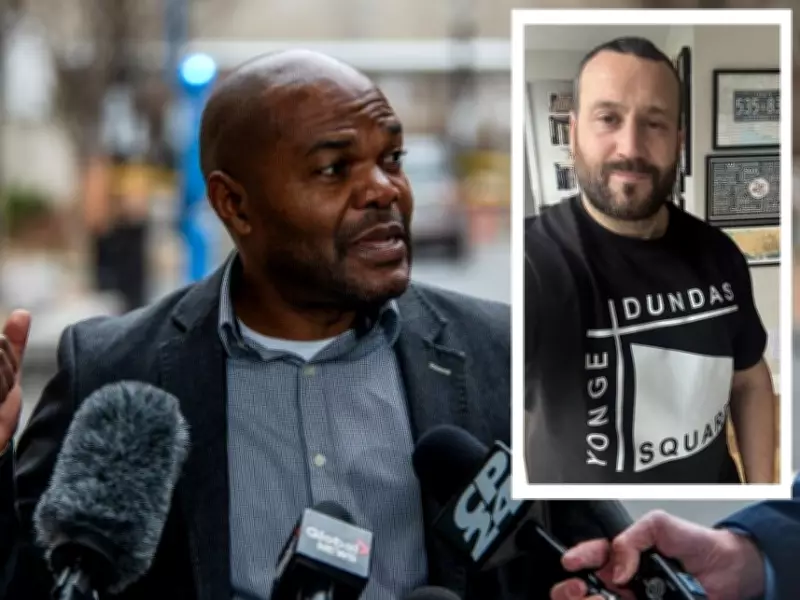
In a controversial development, Toronto taxpayers could be responsible for covering a $20,000 legal bill incurred by Councillor Chris Moise during an integrity commissioner investigation. The probe centered on remarks Moise made about a constituent, Daniel Tate, which were deemed to have "crossed the line" into personal territory.
Investigation Details and Financial Implications
The investigation, conducted by Toronto's integrity commissioner Paul Muldoon, examined complaints stemming from a 2025 incident where Moise told Tate he had a "white supremacy view." This exchange occurred after a meeting, with Moise stating, "I find you appalling," and accusing Tate of harassment. Despite Muldoon recommending no penalty, city council has been asked to reimburse Moise for $20,807.61 in legal expenses, plus interest, with a decision expected next week.
Public Reaction and Council Response
Daniel Tate expressed astonishment at the prospect of taxpayers bailing out a politician for behavior found unacceptable by the integrity commissioner. "The disrespect for the taxpayer never ends," he wrote in an email. Moise's office did not respond to requests for comment on the matter.

Interestingly, while Muldoon suggested no formal reprimand, city council unanimously voted to modify the findings. They replaced the recommendation with language implying that politicians, including Moise, might be victims of public aggression. Councillor Paula Fletcher emphasized the need for clarity on how officials should respond to "aggressive, harassing, hateful and actually threatening behaviour."
Legal Arguments and Racial Context
Muldoon's report reveals that Moise's legal counsel argued context "cancels out" any liability for his conduct. They claimed Tate sought a "gotcha moment" and alleged the commissioner placed a "reverse onus" on Moise to prove harassment. Moise also raised issues of racism, stating his comments reflected his lived experience as a black man facing racism.
The commissioner noted he gave "great weight" to this context, describing Moise as caught in a "brief reactive exchange" with a vocal critic. This dispute is part of a broader conflict, including debates over renaming Yonge-Dundas Square to Sankofa Square and other equity initiatives championed by Moise.
Ongoing Disputes and Bureaucratic Involvement
The tension between Moise and Tate resurfaced recently when Moise's office urged city officials to address Tate's sale of T-shirts featuring the old Yonge-Dundas Square logo. Emails show Moise's chief of staff contacted multiple bureaucrats during a budget meeting, highlighting the prolonged nature of this constituent-councillor feud.
As Toronto grapples with this case, it raises critical questions about the use of public funds for legal defenses in ethics investigations. The outcome could set a precedent for how municipal governments handle similar situations in the future, balancing accountability with support for elected officials.