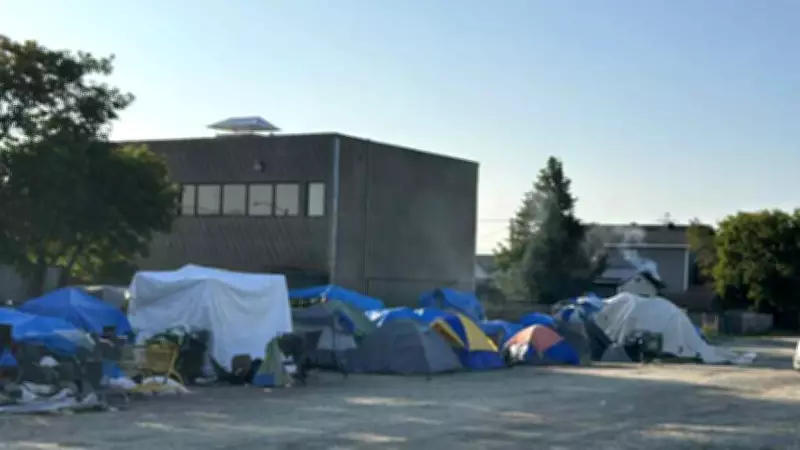
Timmins Staff Voice Opposition to Fencing Plan Aimed at Curbing Homeless Encampment
A contentious proposal to erect fencing along a section of Spruce Street South in Timmins, intended to restrict the expansion of a homeless encampment, is encountering significant resistance from within the municipal workforce. According to recent reports, several staff members have raised serious concerns about the plan, highlighting potential social and practical implications.
Internal Dissent Over Encampment Management Strategy
The proposed fencing initiative, designed as a preventive measure to halt the growth of the encampment, has sparked a heated internal debate among Timmins officials. While the exact number of dissenting staff remains unspecified, sources indicate that the opposition stems from worries about the effectiveness and humanity of such an approach. Critics argue that physical barriers may merely displace individuals without addressing the root causes of homelessness, potentially exacerbating the crisis in other areas of the city.
Broader Context of Urban Homelessness Challenges
This development occurs against a backdrop of increasing homelessness across many Northern Ontario communities, with Timmins grappling with limited shelter capacity and rising housing costs. The encampment on Spruce Street South has become a focal point for local policymakers, who are under pressure to balance public safety concerns with compassionate solutions. The staff resistance underscores the complexity of managing urban homelessness, where quick fixes often clash with long-term social welfare goals.

Key points of contention include:
- The potential for fencing to violate human rights or dignity of encampment residents.
- Questions about the cost-effectiveness of physical barriers versus investment in supportive housing.
- Concerns that displacement could lead to increased crime or health risks in neighboring zones.
- Doubts regarding the legal and ethical ramifications of such municipal actions.
Municipal Response and Future Directions
As of February 2026, the proposal remains under review, with no final decision announced. City officials have acknowledged the staff feedback, suggesting that alternative strategies may be considered. These could include enhanced outreach services, temporary shelter expansions, or collaborative efforts with social agencies. The ongoing dialogue within Timmins administration reflects a broader trend in Canadian municipalities, where encampment management is increasingly scrutinized for its social impact.
The outcome of this debate will likely influence future homelessness policies in Timmins and similar regions, setting a precedent for how cities address encampments amid housing shortages.