Regina city council has decisively rejected last-minute attempts to cancel two major capital projects during its 2026 budget deliberations. Councillors voted against scrapping the city's contract for electric buses and altering plans for the new Indoor Aquatic Facility, following strong legal and financial advice that cancellation would be more costly than proceeding.
Electric Bus Contract Deemed Too Costly to Cancel
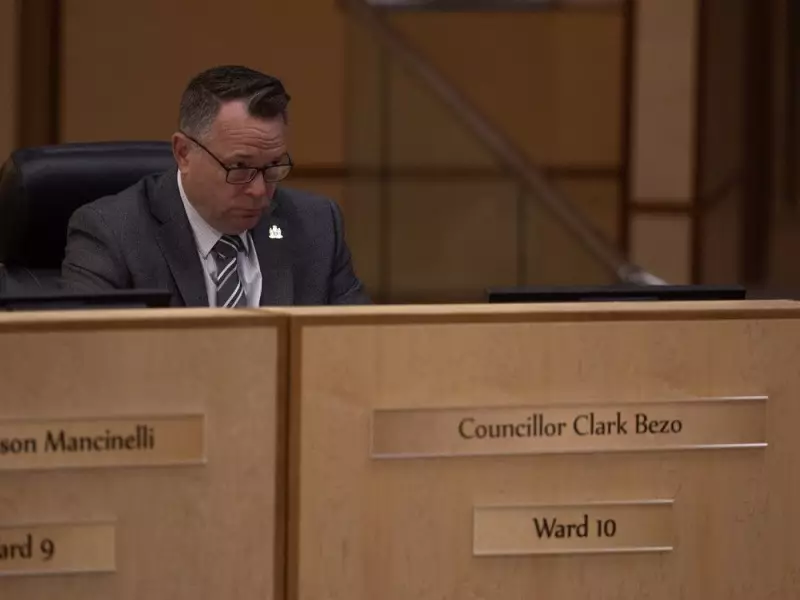
During the fourth day of budget talks on Thursday, December 19, 2025, Ward 10 Councillor Clark Bezo proposed cancelling Regina's contract with bus supplier Nova Bus as a potential cost-saving measure. The city signed a deal in 2024 to purchase 20 electric buses from the Quebec-based company, with an option to buy up to 33 more in the future.
However, Deputy City Manager of Operations Kurtis Doney clarified that there is no new spending for the buses in the 2026 budget, as they were already paid for in the previous year. The city received its first seven electric buses this past spring, with another 13 scheduled to arrive in spring 2026.

City Solicitor Shannon Williams provided a stark warning against backing out. She advised that breaching the contract could expose Regina to legal action, potentially making the city liable for the entire $30 million contract value plus legal fees. Furthermore, the federal government would likely demand the return of its $26.1 million in funding for the project.
"It would cost us more money to cancel this than to continue it," Williams stated emphatically. She explained that while the exact penalty would be up to a court to decide, the financial risk was substantial. Mayor Chad Bachynski ruled Councillor Bezo's request out of order for the day's agenda, as it had no direct impact on the 2026 budget.
Aquatic Centre Plans Also Survive Cost-Cutting Push
Later in the same session, Ward 2 Councillor George Tsiklis faced similar resistance when he sought to reduce the budget for the new Indoor Aquatic Facility (IAF). The project has already broken ground at its site.
Councillor Tsiklis asked if $25 million could be saved by eliminating proposed waterpark amenities from the design. "I would really like to see us use some common sense. It's a $300-million pool for a 240,000-person city," he argued.
This was not the first time such a suggestion had been made. A similar proposal was rejected by council back in July 2024. At that time, council instead chose to approve an increased budget of $313.6 million to proceed with the original, full-featured design. The latest attempt to scale back the project met the same fate, with council opting to stay the course.
Broader Context and Next Steps
The decisions come as Regina's city council recently opted to pause the purchase of additional electric buses beyond the initial contract, favouring less expensive hybrid models as an interim cost-saving measure. This highlights the ongoing tension between long-term sustainable infrastructure investments and immediate budgetary pressures.
The rulings to protect both the electric bus program and the aquatic centre underscore the significant financial and legal complexities involved in cancelling major, multi-year contracts after they are underway. The city's legal and administrative leadership successfully made the case that proceeding as planned is the most fiscally responsible path forward, despite the projects' high upfront costs.
The 2026 budget talks continue, with council weighing other proposals for municipal spending and savings.