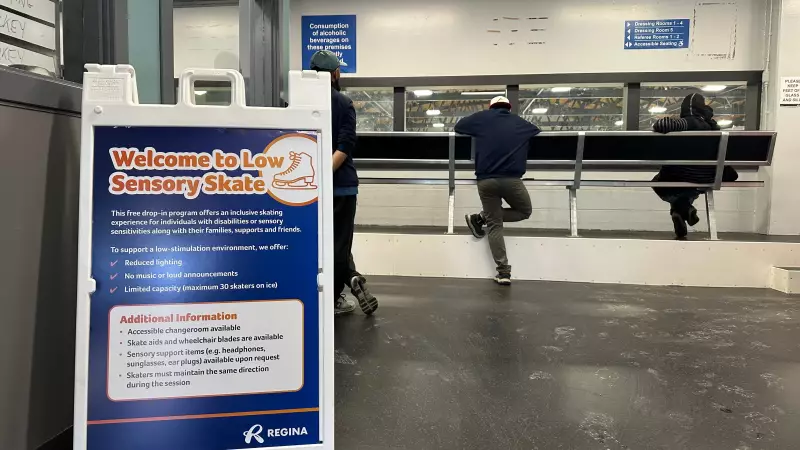
The City of Regina is taking a significant step towards inclusive recreation by launching a dedicated, free drop-in skating program designed for individuals and families seeking a low-stimulation environment. This initiative aims to make the classic Canadian pastime of ice skating accessible to a broader segment of the community.
A Welcoming Space for All Abilities
This program specifically carves out time at a city rink where sensory inputs like loud music and overwhelming crowds are minimized. The focus is on creating a calm and welcoming atmosphere. This thoughtful approach is particularly beneficial for neurodivergent individuals, those with sensory processing differences, or anyone who finds traditional public skating sessions too intense.
The free drop-in model removes financial barriers, allowing families and individuals to participate without pre-registration or cost. The program runs on designated times, providing a predictable and structured opportunity for community members to enjoy physical activity in a supportive setting.

Addressing Community Needs for Accessible Recreation
By establishing this program, Regina's municipal government is responding to a clear need for more accessible recreational options. The program was officially designated and announced on January 11, 2026, marking a new chapter for inclusive city services.
Such initiatives align with broader goals of fostering social inclusion and ensuring public facilities serve every resident. The low-stimulation rink is not just about skating; it's about building a community space where everyone feels they belong and can participate fully.
The Impact of Inclusive Municipal Programs
The introduction of this skating program sets a precedent for other municipalities across Canada. It demonstrates how simple adaptations to existing public services can have a profound impact on accessibility. The benefits extend beyond the ice, promoting mental well-being, physical health, and social connection for participants who might otherwise avoid such activities.
As cities strive to be more inclusive, Regina's proactive measure in creating this dedicated skating time serves as a practical model. It highlights the importance of listening to diverse community needs and implementing solutions that make everyday joys, like a skate on a winter day, available to all.