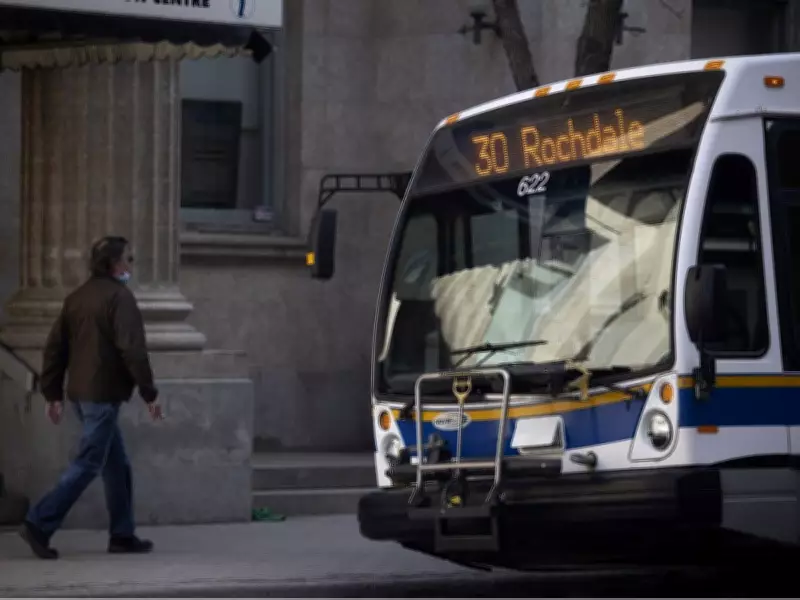
Regina city council has postponed a scheduled vote to finalize a proposed 10-per-cent increase in transit fares, pushing the decision to at least March. The delay comes after Ward 8 Councillor Shanon Zachidniak requested additional time to explore alternatives, citing public concerns about the hike's impact on bus users.
Financial Implications of the Delay
City administration has warned that the postponement carries significant financial consequences. According to Kurtis Doney, deputy city manager of city operations, the city stands to lose approximately $36,000 in revenue for every two weeks the fare increase is delayed beyond the planned April 1 implementation date. This revenue loss stems from the inability to collect higher fares during the postponement period.
Timeline and Implementation Challenges
The council had been expected to vote on Wednesday to pass the necessary bylaw, which would have cleared the way for new rates to take effect on April 1. However, with the vote now rescheduled for the next council meeting on March 11, city officials have indicated that even if the bylaw passes in March, it may not be possible to implement the fare changes by April. Doney explained that rolling out any adjustments to bus fares typically requires about a month of preparation time.

Public Opposition and Political Stance
The proposed fare increase, which was approved during budget deliberations in December, has faced substantial public backlash. An online petition opposing the hike had gathered 459 signatures as of Wednesday, and fourteen residents were prepared to speak against it at the council meeting before it was postponed. All were expected to voice opposition to the increase.
Several councillors have publicly stated their intention to vote against the bylaw, including Victoria Flores, Sarah Turnbull, David Froh, and Shanon Zachidniak. Their positions reflect growing concerns about the affordability and accessibility of public transportation for Regina residents.
Revenue Implications and Alternatives
If approved, the 10-per-cent transit fare increase is projected to generate an additional $585,000 in annual revenue for the city. This funding is earmarked for transit operations and improvements. Should the bylaw fail to pass, the city would need to identify alternative sources to cover this anticipated revenue shortfall, potentially impacting other municipal services or requiring budget adjustments.
Broader Context and Community Impact
The debate over transit fares occurs amid broader discussions about public transportation in Regina. The city has recently explored initiatives such as fare-free transit pilots for high school students and transitions to electronic payment systems for downtown parking. These developments highlight ongoing efforts to modernize and improve transportation infrastructure while balancing financial sustainability with community needs.
As the council prepares for the March meeting, stakeholders on all sides are expected to continue advocating for their positions. The delay provides additional time for councillors to consider public feedback and explore potential compromises, but it also extends the period of uncertainty for both transit users and city planners.