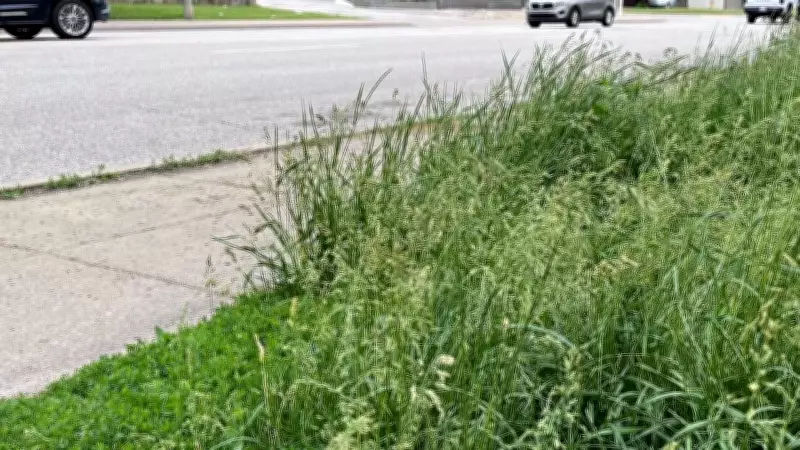
The Region of Peel is moving forward with a new regulatory framework for lawn maintenance in Mississauga and Brampton, after a previous bylaw that governed grass height and property standards was struck down by authorities. This initiative aims to address community concerns while ensuring environmental and aesthetic considerations are balanced across residential areas.
Background on the Overturned Bylaw
The previous bylaw, which had been in effect for several years, set specific limits on grass height and outlined maintenance requirements for residential properties. It was designed to promote neighborhood cleanliness and prevent overgrowth that could attract pests or create fire hazards. However, legal challenges and public feedback led to its invalidation, citing issues with enforcement and fairness.
Key Issues with the Previous Regulation
Residents and advocacy groups raised multiple concerns about the old bylaw. These included inconsistent enforcement across different neighborhoods, high fines for minor infractions, and a lack of flexibility for homeowners dealing with weather conditions or personal circumstances. The framework was also criticized for not adequately considering environmental impacts, such as water conservation and biodiversity.

Proposed New Framework Details
The new framework, currently in the proposal stage, seeks to create a more balanced approach. It includes revised guidelines on grass height, with potential exemptions for naturalized lawns that support local ecosystems. Additionally, the framework may introduce educational programs to help residents understand best practices for lawn care, rather than relying solely on punitive measures.
Municipal officials emphasize that the goal is to foster community cooperation and environmental stewardship. "We want to move away from a one-size-fits-all model," said a spokesperson for the Region of Peel. "This new framework will consider diverse needs, from urban aesthetics to sustainable landscaping."
Community and Environmental Considerations
Public consultations are planned to gather input from residents, environmental groups, and landscaping experts. Topics for discussion include:
- Appropriate grass height limits that balance safety and ecology
- Incentives for water-efficient landscaping
- Support for native plant species to enhance local biodiversity
- Clear communication of rules to prevent confusion
Environmental advocates have welcomed the initiative, noting that overly manicured lawns can contribute to water waste and reduce habitat for pollinators. They hope the new framework will encourage more sustainable practices, such as reducing pesticide use and incorporating drought-resistant plants.
Next Steps and Implementation
The proposal is expected to undergo review by regional committees before any formal adoption. If approved, the new framework could be implemented within the next year, with a phased approach to allow residents time to adjust. Enforcement strategies are also being reconsidered, with a focus on warnings and assistance rather than immediate fines.
This move aligns with broader trends in municipal governance, where cities are increasingly adopting flexible regulations that promote environmental health while maintaining community standards. The outcome in Peel Region could serve as a model for other jurisdictions facing similar challenges with property maintenance bylaws.
As discussions continue, residents are encouraged to participate in upcoming consultations to ensure the new framework reflects the diverse needs of Mississauga and Brampton communities. The Region of Peel aims to finalize the proposal by late 2026, with updates to be provided through official channels.