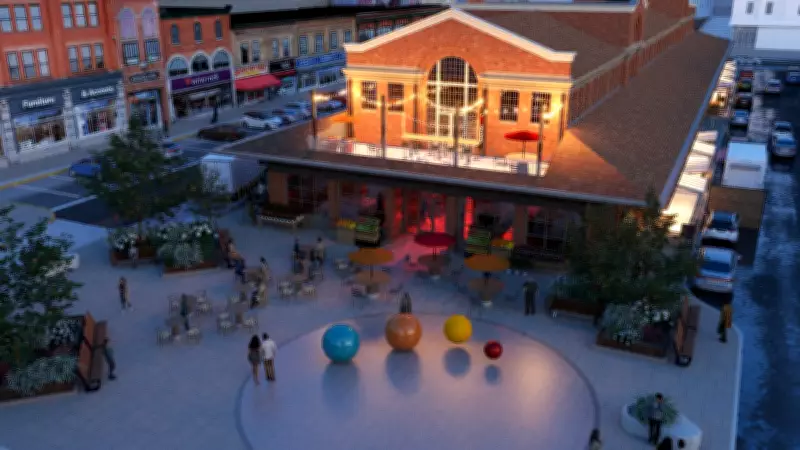
Ottawa's Bold Vision for ByWard Market Transformation
The City of Ottawa has officially unveiled a comprehensive plan to breathe new life into the historic ByWard Market district, a landmark destination that has served as a cultural and commercial hub for generations. This ambitious revitalization strategy aims to enhance the area's appeal for both residents and visitors while preserving its unique heritage character.
Seven Key Elements of the Revitalization Blueprint
1. Creation of Pedestrian-Focused Public Spaces
Central to the plan is the transformation of key thoroughfares into pedestrian plazas, creating safer and more inviting areas for people to gather, shop, and dine. These car-free zones will feature improved lighting, seating, and landscaping to encourage extended visits and community interaction.

2. Renovation of the ByWard Market Building
The iconic ByWard Market Building will undergo significant renovations to modernize facilities while maintaining its historic architectural elements. Upgrades will include improved vendor spaces, enhanced accessibility features, and updated infrastructure to support local merchants and artisans.
3. Enhanced Green Infrastructure
The plan incorporates sustainable design elements such as green roofs, rain gardens, and permeable surfaces to manage stormwater runoff and reduce the urban heat island effect. These environmental features will contribute to Ottawa's broader climate resilience goals.
4. Improved Transportation Connectivity
While emphasizing pedestrian priority, the strategy also addresses transportation needs with better cycling infrastructure, optimized transit access, and strategic parking solutions that balance convenience with the goal of reducing vehicular traffic in the core market area.
5. Cultural Heritage Preservation
Special attention will be paid to preserving the district's historical character through careful restoration of heritage buildings and integration of interpretive elements that tell the story of the market's evolution since its establishment in the 19th century.
6. Economic Development Initiatives
The revitalization includes programs to support local businesses, attract new investment, and create employment opportunities. This includes streamlined permitting processes for market vendors and incentives for businesses that contribute to the area's unique character.
7. Year-Round Programming Strategy
To extend the market's appeal beyond traditional peak seasons, the plan introduces a calendar of events and activities designed to attract visitors throughout all four seasons, including winter markets, cultural festivals, and community gatherings.
Implementation Timeline and Community Impact
The multi-phase project is scheduled to begin with initial improvements in the coming months, with major construction elements planned over the next several years. City officials emphasize that the revitalization will proceed with minimal disruption to existing market operations, with temporary accommodations planned for vendors during construction phases.
Community consultation has been a cornerstone of the planning process, with numerous public sessions informing the final design. The city has committed to ongoing engagement with residents, business owners, and Indigenous communities throughout implementation to ensure the revitalization reflects diverse community needs and aspirations.
Economic analysts project that the completed revitalization could increase tourism spending in the area by approximately 25% while creating hundreds of temporary construction jobs and dozens of permanent positions in hospitality and retail sectors. The transformation aims to solidify ByWard Market's position as one of Canada's premier urban destinations while addressing longstanding infrastructure challenges.