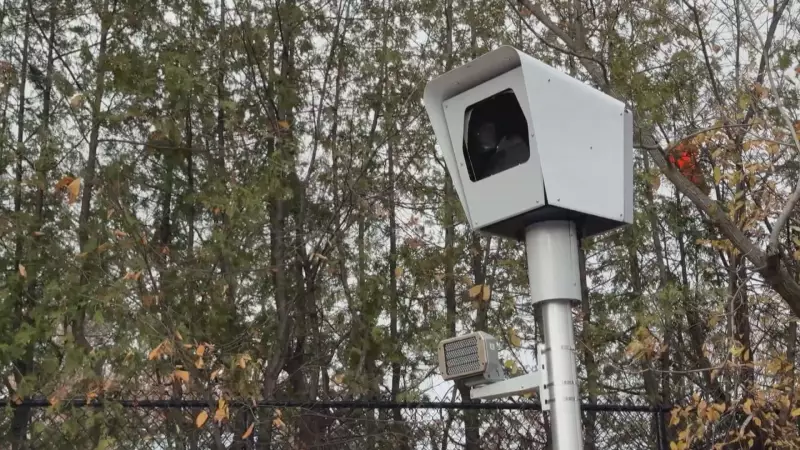
Newly released information has identified the single most active photo radar camera in Ottawa during the early part of 2025, just before the city's controversial automated enforcement program was switched off.
The Busiest Intersection for Speeding Tickets
The data, which covers the period leading up to the program's cessation, pinpointed a specific location that generated a significantly higher volume of infractions than any other camera in the capital's network. While the exact number of tickets issued was not disclosed in the initial report, authorities confirmed this camera was the undisputed leader in enforcement actions.
This revelation comes as part of a broader review of the photo radar initiative, which was a subject of ongoing public debate regarding road safety, revenue generation, and driver privacy. The program's shutdown marked a significant shift in the city's approach to traffic calming and speed limit enforcement.

Context of the Program Shutdown
The decision to turn off the photo radar cameras was made by Ottawa city officials in 2025. The move followed extensive discussions on the program's effectiveness and public acceptance. Proponents argued the cameras reduced speeds and improved safety in designated zones, particularly near schools and in community safety zones.
Critics, however, often labeled the cameras as "cash grabs" and questioned whether they genuinely altered long-term driver behavior beyond the immediate camera locations. The identification of the busiest camera provides a concrete data point in this debate, highlighting where automated enforcement was most frequently triggered.
The cessation of the program left a gap in automated enforcement, shifting primary speed monitoring back to traditional methods conducted by Ottawa Police Service officers. This change had immediate implications for the city's traffic enforcement strategy and budget projections that had previously relied on fine revenue.
Legacy and Future of Traffic Enforcement
The legacy of Ottawa's photo radar program, underscored by the performance of its busiest camera, continues to inform municipal policy. City planners and traffic engineers are now tasked with evaluating alternative methods to achieve road safety objectives without automated ticketing.
Potential alternatives under consideration include increased investment in physical traffic calming infrastructure—such as speed bumps and narrowed lanes—as well as expanded public awareness campaigns. The data from the now-defunct program, including the hotspot identified, serves as a valuable map of where speeding was most prevalent, guiding these future interventions.
For Ottawa drivers, the shutdown meant the removal of a constant source of anxiety on certain roadways. However, authorities emphasize that posted speed limits remain in full effect and that enforcement through police patrols is ongoing. The story of the city's busiest photo radar camera is now a footnote in the evolving history of how Ottawa manages traffic and prioritizes street safety.